Yes, stretch ceilings can be an excellent choice for homes and commercial interiors when the right material, design and installation system are selected. They offer a smooth finish, a wide range of design options and opportunities to integrate lighting, making them suitable for contemporary interior projects.
However, stretch ceilings are not the perfect solution for every space. The final result depends on the quality of the materials, the condition of the existing ceiling, the installation method and the requirements of the room. Initial cost, repair arrangements and access to concealed services should also be considered before making a decision.
For homeowners, architects, interior designers and commercial property owners exploring modern ceiling solutions, understanding the advantages and disadvantages of stretch ceilings can help determine whether they are the right investment.
At Berrisol & Illusion Decors, stretch ceiling solutions offer opportunities to create contemporary interiors using different finishes, decorative designs and lighting effects. In this guide, we explain what makes stretch ceilings appealing, where they work best and what you should consider before installation.
What Is a Stretch Ceiling?
A stretch ceiling is a secondary ceiling system in which a specially manufactured membrane is fitted into a perimeter track to create a finished surface below the original ceiling. Depending on the system, the material may be available in different colours, textures, finishes and decorative styles.
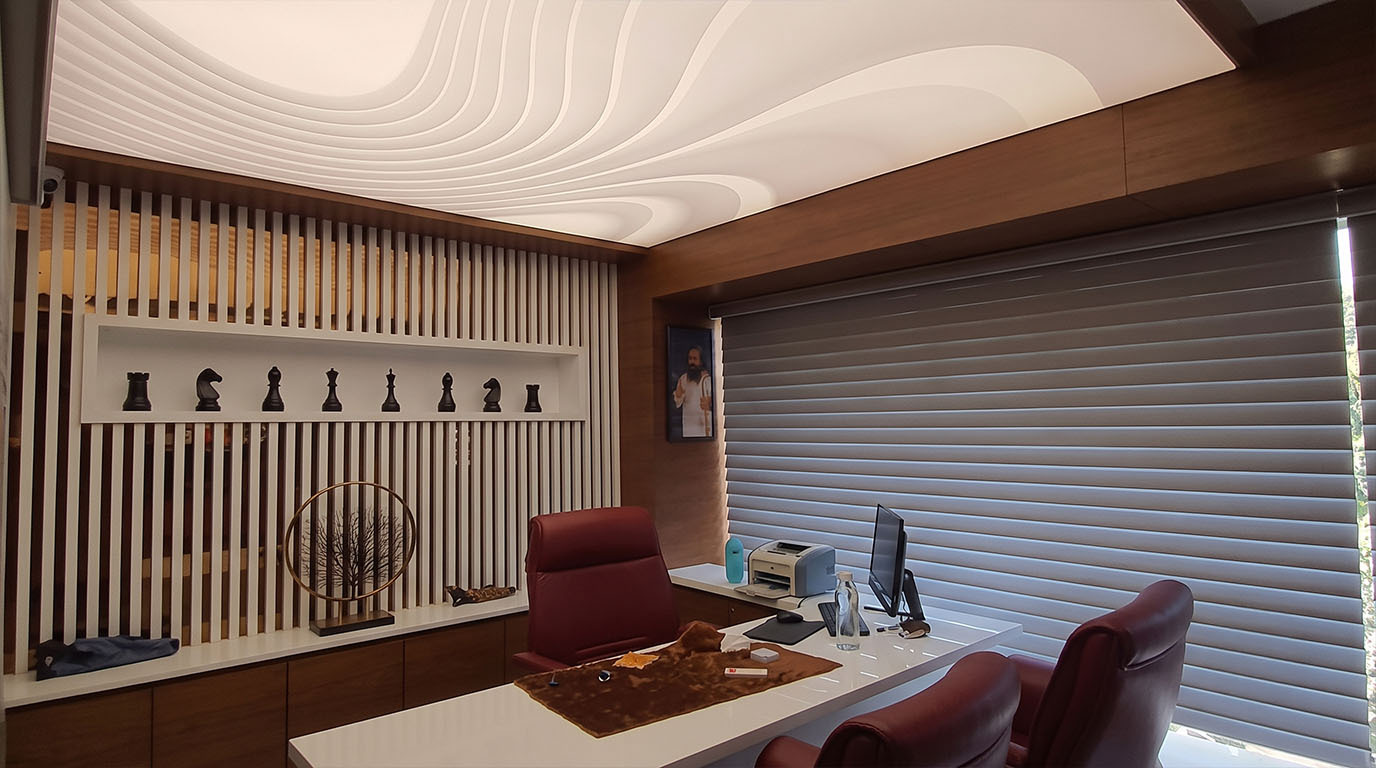
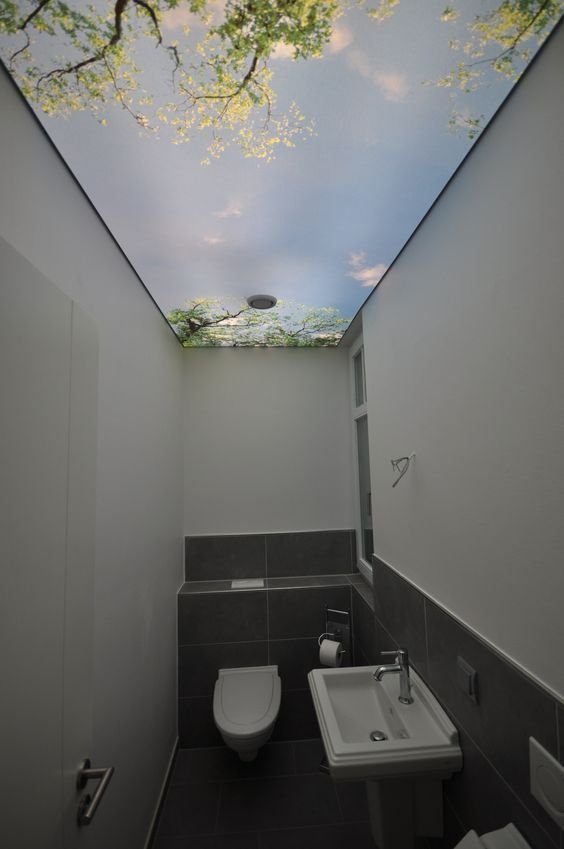
Unlike conventional painted ceilings, stretch ceilings can offer design options such as matte surfaces, glossy finishes, translucent materials and printed artwork. Selected systems can also be coordinated with integrated lighting to create a distinctive visual effect.
Stretch ceilings can be considered for living rooms, bedrooms, dining areas, hotels, offices, retail spaces and other suitable interiors. The appropriate material and installation method depend on the location, design requirements and manufacturer's specifications.
To explore the available options, visit Berrisol's stretch ceiling solutions page.
What Are the Main Benefits of Stretch Ceilings?
Stretch ceilings offer several advantages for projects where appearance, design flexibility and a clean ceiling finish are important.
1. A Smooth and Modern Appearance
One of the main reasons homeowners consider stretch ceilings is their clean, uniform finish. A well-installed system can create a contemporary look that complements modern furniture, decorative wall treatments and minimalist interiors.
The selected finish influences the overall appearance. Matte surfaces can create a subtle effect, while glossy finishes may reflect light and surrounding elements. The best choice depends on the room's size, natural light and interior style.
For homes where the ceiling is an important part of the design, this flexibility can make stretch ceilings an attractive alternative to a conventional painted surface.
2. A Wide Range of Design Options
Stretch ceilings are available in different finishes and decorative styles, depending on the chosen product. This gives homeowners and designers the opportunity to coordinate the ceiling with the wider interior scheme.
Possible options include:
Matte and satin finishes for understated interiors.
Glossy surfaces for a more reflective appearance.
Printed designs for customised decorative effects.
Translucent ceilings for selected illuminated applications.
Three-dimensional visual concepts for distinctive interiors.
The final selection should consider the room's proportions and the overall design. A simple finish may be more suitable for a small bedroom, while a customised design may work well in a larger reception area.
3. Opportunities for Integrated Lighting
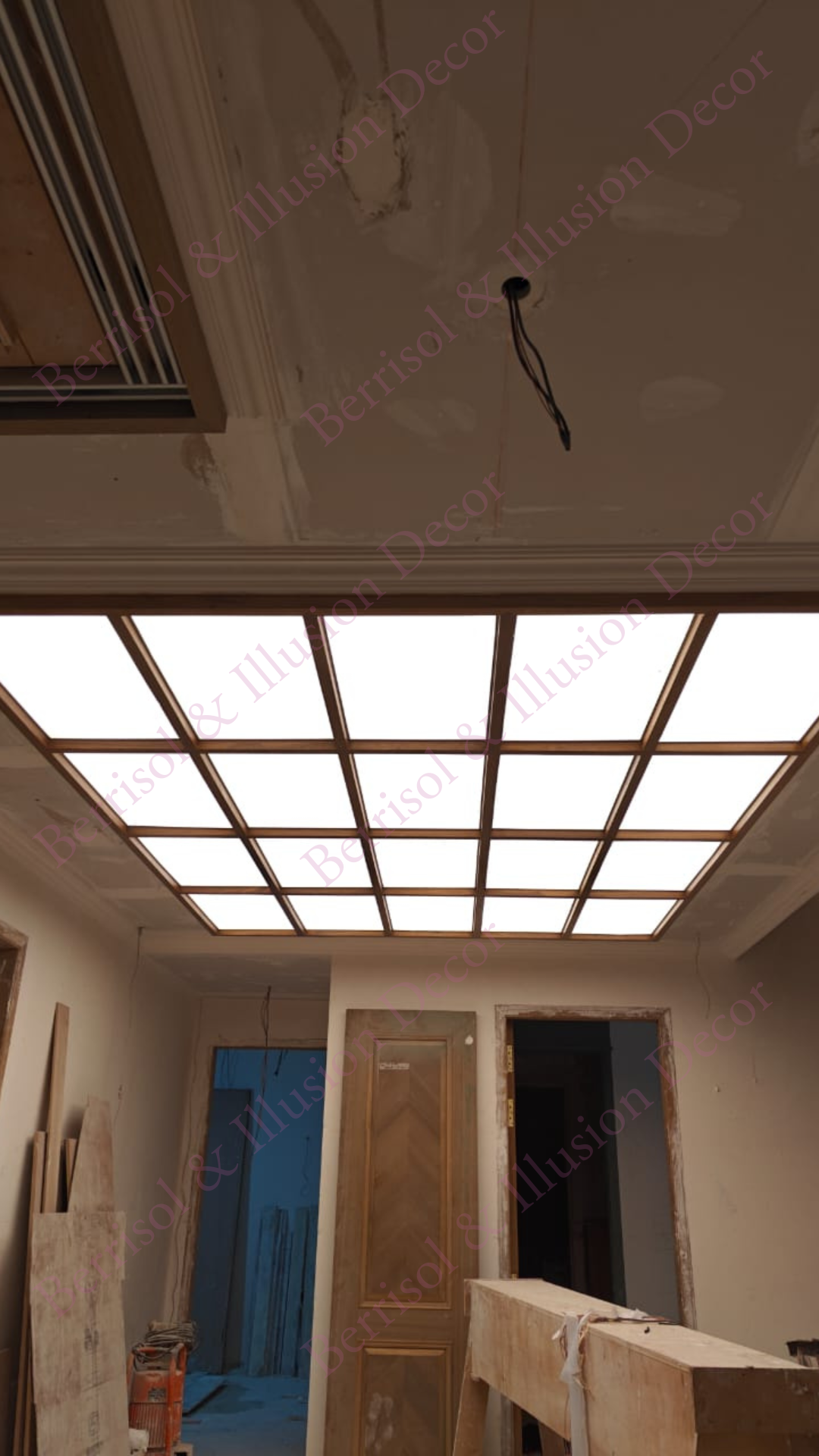
Lighting can significantly influence how a ceiling looks and how a room feels. Compatible stretch ceiling systems can be designed around selected LED lighting arrangements, illuminated surfaces and other planned lighting effects.
For example, a living room may benefit from a combination of general illumination and subtle accent lighting. A reception area might use a more distinctive illuminated ceiling to support the interior design.
Lighting must be planned alongside the ceiling system. Electrical connections, heat management, access for maintenance and the suitability of the selected membrane should be confirmed before installation.
Explore Berrisol's stretch ceiling lighting solutions to discover options for combining ceiling design with illumination.
4. Suitable for Different Types of Interiors
Stretch ceilings are not limited to residential properties. Depending on the specified system, they can also be considered for offices, hotels, showrooms, restaurants and other commercial interiors.
In a home, the focus may be on creating a comfortable and coordinated appearance. In a commercial setting, the ceiling may contribute to the brand identity, customer experience or overall architectural concept.
The important consideration is selecting a system that suits the space's practical requirements, including lighting, ventilation, access and maintenance.
5. Potential for a Clean Installation Process
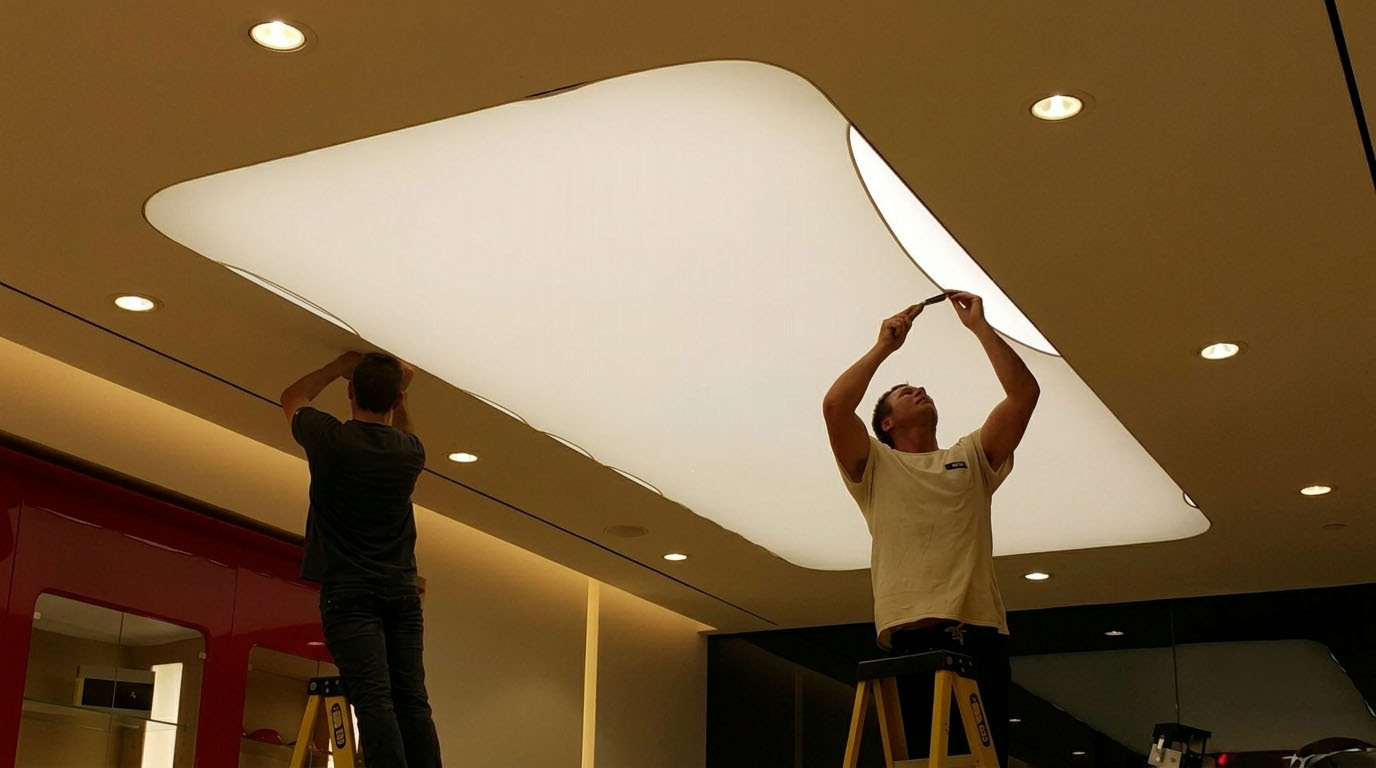
Stretch ceilings use a different installation method from conventional plasterboard or POP ceilings. Depending on the existing conditions and the selected system, installation may involve fitting perimeter tracks and securing the membrane rather than constructing an entire new plasterboard surface.
The actual process and duration depend on room dimensions, design complexity, preparation work, lighting requirements and site access. Electrical work or modifications to the existing ceiling may add to the installation scope.
Before work begins, ask the installer to explain the preparation required, the expected schedule and how existing ceiling fixtures and services will be handled.
6. Options for Decorative and Illuminated Features
For homeowners who want something beyond a plain ceiling, stretch systems can offer opportunities to incorporate printed graphics, translucent finishes and customised visual effects.
These features can help establish a particular mood or complement an interior design concept. However, not every membrane supports every effect, so the material and installation details should be selected according to the intended result.
For illuminated ceiling concepts, explore translucent stretch ceiling solutions to understand how a suitable system may be used in a lighting-led design.
What Are the Disadvantages of Stretch Ceilings?
Although stretch ceilings offer design flexibility, it is important to understand their limitations before choosing one for your property.
1. Initial Cost Can Be Higher Than Some Alternatives
The cost of a stretch ceiling depends on the material, finish, ceiling area, design complexity and installation requirements. Custom printing, specialised shapes and integrated lighting may increase the total project cost.
A basic painted ceiling may be more economical where a simple finish is the only requirement. Stretch ceilings are often considered when the desired appearance or design features justify choosing a specialised system.
When comparing quotations, look beyond the material cost. Check whether the price includes preparation, tracks, installation, lighting coordination and any additional work.
2. The Membrane Can Be Damaged
Stretch ceiling membranes are designed for their intended application, but they are not immune to damage. Sharp objects, accidental punctures and unsuitable handling may affect the surface.
The risk depends on the material and installation conditions. Furniture movement, maintenance work or other activities near the ceiling should be managed carefully.
Ask the installer what repair options are available for the specific system. A damaged membrane may require specialist attention, and the repair method can vary according to the location and extent of the damage.
3. Repairs May Require a Specialist
Some stretch ceiling systems allow sections to be accessed or removed by a trained installer, but repairability depends on the product, installation method and type of damage.
This is an important point to consider if the ceiling contains electrical wiring, lighting equipment or other services. Confirm how maintenance access will be provided and whether replacement materials will be available if needed.
Choosing an experienced installer can help you understand the system's repair requirements before committing to the project.
4. Not Every Design Suits Every Room
A highly reflective ceiling, complex shape or elaborate lighting arrangement may not work well in every interior. Rooms with low ceiling heights, limited natural light or complicated service layouts may need a simpler approach.
The design should complement the proportions of the room rather than make it feel visually crowded. Before finalising the specification, consider the ceiling height, furniture layout, lighting plan and surrounding finishes.
5. Product Suitability Matters in Different Environments
Stretch ceiling materials have specific operating conditions and installation requirements. Heat exposure, moisture, ventilation and the intended use of the room should all be considered.
Do not assume that every stretch ceiling system is suitable for every kitchen, bathroom or commercial environment. Confirm the manufacturer's specifications and any relevant fire-safety or building requirements before selecting a product.
A properly chosen system should match the conditions in which it will be installed.
Are Stretch Ceilings Durable?
Stretch ceiling durability depends on the membrane, installation quality, environmental conditions and maintenance. A correctly specified and installed system can provide a lasting interior finish, but its performance should be assessed according to the manufacturer's guidance rather than a universal lifespan claim.
Several factors influence long-term performance.
Material quality: The membrane and associated components should meet the requirements of the intended application.
Professional installation: Correct measurements, appropriate tracks and careful fitting help achieve the intended finish.
Environmental conditions: Excessive heat, unsuitable moisture conditions or accidental damage may affect the ceiling.
Maintenance: Following the recommended cleaning method can help preserve the surface.
Access to services: Lighting and electrical components should remain accessible where required for inspection and repair.
Before purchasing a system, ask about the product specifications, warranty terms, maintenance requirements and repair arrangements. These details provide a more useful basis for evaluating durability than relying on a general claim about how long all stretch ceilings last.
Are Stretch Ceilings Easy to Maintain?
Stretch ceilings can be relatively straightforward to maintain when the selected material is cared for according to the manufacturer's instructions. However, cleaning methods vary by finish and product, so it is important not to treat every stretch ceiling as identical.
For routine maintenance:
Follow the cleaning instructions provided for the specific membrane.
Use only suitable cleaning materials and methods.
Avoid abrasive tools, harsh chemicals and excessive pressure.
Do not puncture, pull or press the ceiling surface.
Arrange specialist assistance if the membrane becomes damaged.
Ensure lighting and electrical components are serviced safely by qualified personnel when required.
Regular inspection can also help identify issues around lighting fixtures, edges or areas affected by building maintenance.
If the ceiling is installed in a location exposed to moisture, address leaks and ventilation problems promptly. A ceiling finish should not be used to conceal an unresolved building issue.
Are Stretch Ceilings Better Than Traditional False Ceilings?
Stretch ceilings and traditional false ceilings serve different design needs. Neither option is automatically better for every property.
Traditional false ceilings, including gypsum and POP systems, are commonly used for painted finishes, conventional layered designs, mouldings and recessed lighting. Stretch ceilings may be more suitable when the project calls for a particular membrane finish, printed artwork, a translucent surface or a specialised decorative effect.
Consider these differences before making a decision:
Appearance: Stretch ceilings offer a range of membrane finishes, while gypsum and POP can be shaped and painted according to the chosen design.
Design requirements: The most suitable system depends on whether the project needs a flat painted surface, decorative mouldings, customised graphics or a specific lighting effect.
Installation: The construction process varies between systems. Site conditions, preparation, framework or track requirements and electrical work influence the overall installation.
Maintenance and repairs: Both types require appropriate care. The repair process depends on the material, damage and access to concealed services.
Budget: The total cost depends on the design, material, labour and additional work. Compare complete project quotations rather than material prices alone.
If you are still comparing ceiling materials, read our guide to the pros and cons of stretch ceilings for further information on their advantages and limitations.
Where Are Stretch Ceilings a Good Choice?
Stretch ceilings can be considered for a range of residential and commercial applications, provided the selected system meets the requirements of the space.
Living Rooms
A stretch ceiling can create a smooth finish in a modern living room. Matte or satin finishes may suit understated interiors, while selected glossy or illuminated designs can provide a more distinctive feature.
The ceiling design should work with the furniture, wall colours and available natural light.
Bedrooms
In bedrooms, simple finishes and carefully planned lighting can create a coordinated interior. A stretch ceiling may suit homeowners who want a neat appearance without an elaborate decorative design.
Choose colours and finishes according to the room's proportions and the overall atmosphere you want to create.
Dining Areas
Ceiling design can help distinguish a dining area in an open-plan home. A planned lighting arrangement or a selected decorative finish can establish a visual focus above the dining table.
The position of pendant lights and other fixtures should be considered before the final ceiling layout is approved.
Hotels and Hospitality Interiors
Hotels, restaurants and hospitality venues may use stretch ceilings to support a particular design concept. Customised finishes and selected lighting effects can help create a distinctive environment.
Commercial projects should also account for cleaning, maintenance access, operating conditions and applicable building requirements.
Offices and Retail Spaces
Offices, showrooms and retail environments may benefit from a ceiling that complements the brand's interior style. A restrained finish can support a professional setting, while a customised ceiling may help define a particular area.
Where noise control is important, assess the acoustic requirements separately. A decorative stretch ceiling should not be assumed to provide sound absorption unless the specified system has verified acoustic performance.
How Much Do Stretch Ceilings Cost?
There is no single price for every stretch ceiling project. The cost depends on the selected system, room dimensions, installation conditions and the features included in the design.
The main factors include:
Ceiling area: Larger spaces generally require more material and installation work.
Material and finish: Different membranes and finishes may have different costs.
Design complexity: Curves, customised shapes and special decorative effects can require additional planning.
Lighting: Integrated illumination may involve additional components and electrical work.
Existing ceiling condition: Preparation and adjustments to the site may affect the scope.
Access and installation requirements: Room layout, working conditions and coordination with other trades can influence labour requirements.
For an accurate estimate, provide the room dimensions, photographs or drawings, preferred finish and lighting requirements. A site assessment may be necessary before a final quotation can be prepared.
Rather than choosing a ceiling based only on the lowest initial cost, consider whether the selected system meets your design requirements and whether its installation and maintenance arrangements are appropriate for the property.
Why Choose Berrisol & Illusion Decors for Stretch Ceilings?
Choosing a stretch ceiling is about more than selecting a colour or finish. The system must suit the room, work with the lighting plan and meet the practical requirements of the building.
Berrisol & Illusion Decors provides stretch ceiling solutions for residential and commercial interiors, allowing customers to explore different finishes and design possibilities according to their project requirements.
Ceiling Designs for Different Interiors
From simple, understated finishes to more distinctive decorative concepts, the design can be considered in relation to the room's proportions, interior style and intended use.
Lighting and Decorative Options
Selected stretch ceiling systems can be coordinated with lighting and decorative features. The right combination depends on the material specification, electrical layout and desired visual effect.
Solutions Based on Project Requirements
Every property is different. Ceiling height, existing services, room dimensions and installation conditions all affect which system is appropriate.
Discussing these factors early helps clarify the project scope and identify suitable options before installation begins.
Support for Your Ceiling Planning
Whether you are renovating a home or planning a commercial interior, it is useful to understand the available materials, installation requirements and maintenance arrangements before making a decision.
Visit the Berrisol & Illusion Decors website to explore the company's ceiling solutions and learn more about its services.
Conclusion: Are Stretch Ceilings Worth It?
Stretch ceilings can be a good choice for homeowners and businesses looking for a smooth finish, flexible design options and opportunities to incorporate lighting or customised decorative effects. Their suitability depends on the selected material, installation quality, room conditions and project budget.
They may not be necessary for every interior. A conventional gypsum or POP ceiling can be appropriate when a painted surface or decorative moulding is the main requirement. However, when the design calls for a distinctive membrane finish, printed artwork or selected illuminated effects, a stretch ceiling may be worth considering.
Before making your decision, compare the complete installation requirements, maintenance needs, product specifications and available repair options. A clear understanding of these details will help you choose a ceiling that meets both your design preferences and practical needs.
Planning a Stretch Ceiling for Your Home or Business?
If you are considering a modern ceiling design, Berrisol & Illusion Decors can help you explore stretch ceiling finishes, customised design possibilities and integrated lighting options for your project.
Share your requirements, room dimensions and preferred style to begin discussing a suitable solution for your space.
Contact Berrisol & Illusion Decors to discuss your stretch ceiling project and explore the available options.