Arkitektur
Stet no et lorem dolor et diam, amet duo ut dolore vero eos. No stet est diam rebum amet diam ipsum. Clita clita labore, dolor duo nonumy clita sit at, sed sit sanctus dolor eos.
123 Street, New York, USA
+012 345 67890


Stet no et lorem dolor et diam, amet duo ut dolore vero eos. No stet est diam rebum amet diam ipsum. Clita clita labore, dolor duo nonumy clita sit at, sed sit sanctus dolor eos.
123 Street, New York, USA
+012 345 67890
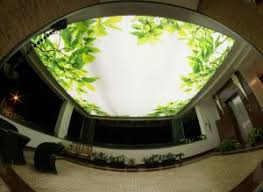
When planning to renovate or design a modern interior, ceilings often play a more significant role than most people realize. Among the many options available today, stretch ceilings have become increasingly popular due to their sleek, versatile, and stylish appearance.
When planning to renovate or design a modern interior, ceilings often play a more significant role than most people realize. Among the many options available today, stretch ceilings have become increasingly popular due to their sleek, versatile, and stylish appearance. However, like any design choice, they come with their own set of strengths and limitations. Understanding the stretch ceiling pros and cons can help homeowners, designers, and architects make informed decisions before installing them.
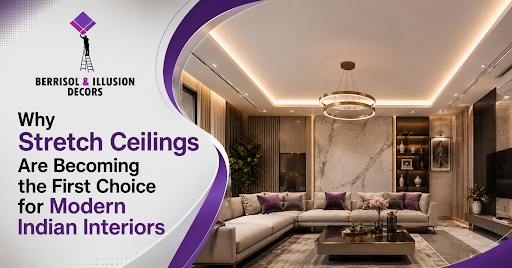
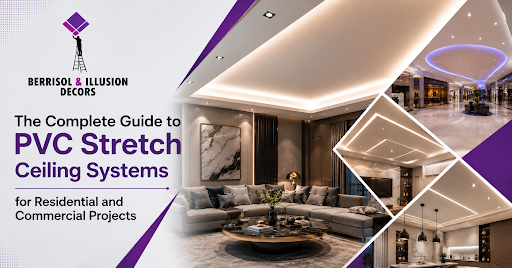
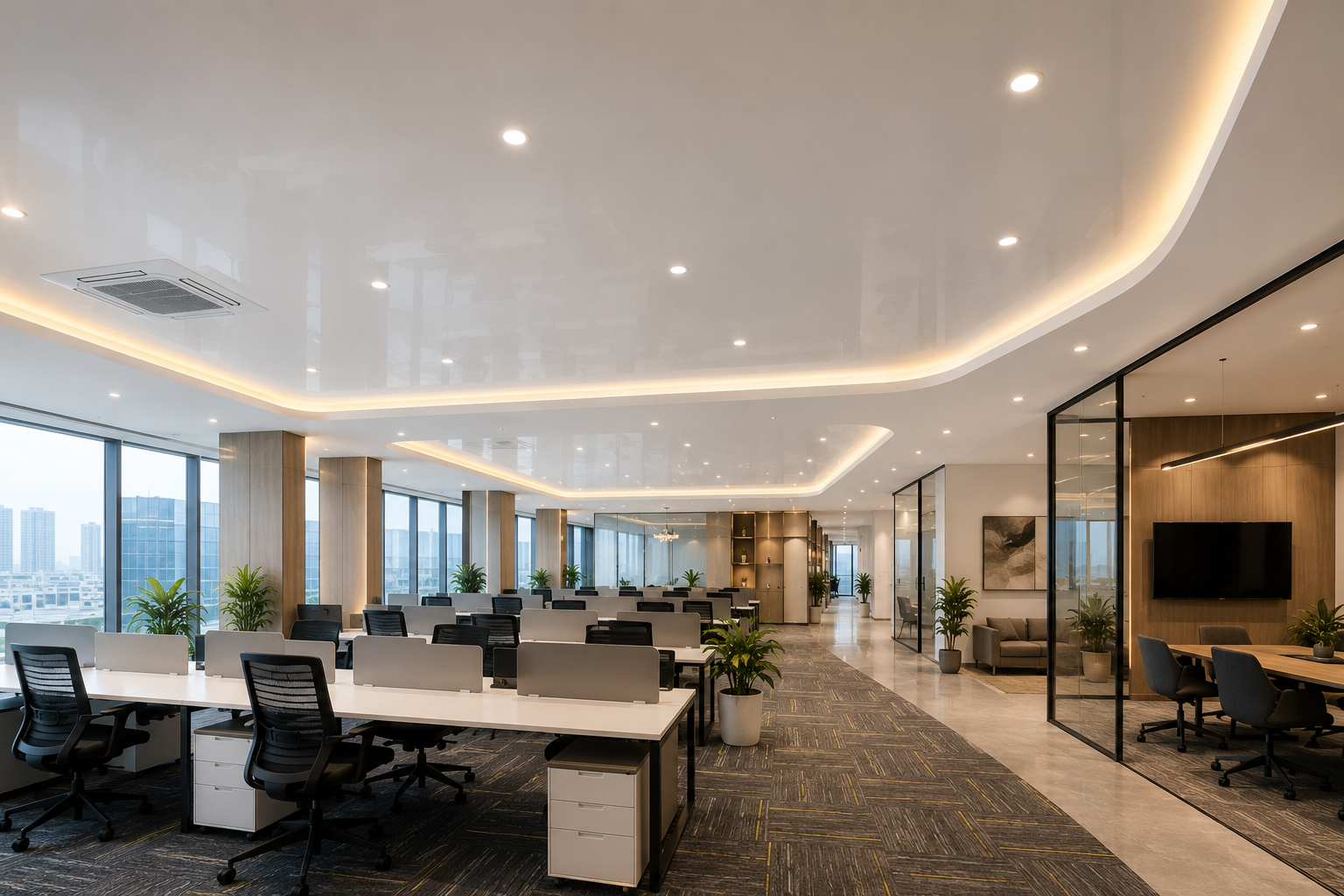
A stretch ceiling is a suspended system made of a lightweight PVC or fabric sheet stretched across a perimeter track or frame. The result is a smooth, flawless ceiling that can be customized with different colors, finishes, lighting effects, and even printed designs. Stretch ceilings are widely used in modern apartments, commercial spaces, showrooms, and even luxury homes because of their aesthetic appeal and durability.
Let’s start with the benefits that make stretch ceilings an attractive option.
Aesthetic Appeal:
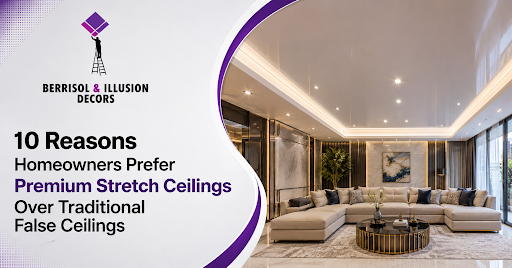
Stretch ceilings offer a perfectly smooth surface that instantly transforms the look of any room. They are available in various finishes such as matte, glossy, satin, or even translucent, giving homeowners the flexibility to choose according to their interior theme.
Design Versatility:
One of the biggest stretch ceiling pros is the endless design possibilities. From starry night effects with fiber-optic lighting to 3D printed graphics, stretch ceilings can be customized to match personal preferences.
Quick Installation:
Unlike traditional plaster or false ceilings that can take weeks, stretch ceilings can be installed within a day or two with minimal mess. The process does not involve heavy construction work, making it convenient and hassle-free.
Durability and Longevity:
High-quality stretch ceilings are resistant to cracks, peeling, and fading. They can last for more than 10–15 years with proper care, which makes them a long-term investment.
Moisture Resistance:
Stretch ceilings made of PVC are water-resistant, making them ideal for bathrooms and kitchens. They also act as a protective barrier in case of water leaks from the floor above, holding large volumes of water without damage.
Low Maintenance:
Cleaning a stretch ceiling is simple. A soft cloth with mild soap and water is enough to keep it looking new. Unlike traditional ceilings, they don’t require regular repainting.
Now, while the benefits are impressive, there are certain limitations and drawbacks worth noting.
Initial Cost:
Stretch ceilings are more expensive compared to traditional plaster or POP ceilings. The cost depends on material quality, design complexity, and size of the room. For those on a tight budget, this can be a downside.
Installation Expertise:
Professional installation is a must. Unlike conventional ceilings, stretch ceilings require skilled technicians with specialized tools. Any mistake can ruin the look or reduce durability.
Susceptibility to Sharp Objects:
One of the important stretch ceiling cons is that the material can get punctured or torn if it comes in contact with sharp objects. While repairs are possible, they may not always restore the ceiling to its original look.
Temperature Sensitivity:
PVC-based stretch ceilings may not perform well in extremely high or low temperatures. Excessive heat can cause warping, while freezing conditions may make the material brittle.
Limited Structural Use:
Unlike false ceilings made of gypsum or POP, stretch ceilings cannot accommodate heavy fixtures. While they work well with recessed lighting, chandeliers or heavy fans require additional structural support.
When weighing stretch ceiling pros and cons, it’s clear that they are a stylish, modern, and functional solution for enhancing interiors. Their ability to transform a space with unique finishes, durability, and low maintenance makes them a worthwhile investment for many. However, the higher initial cost, need for professional installation, and certain material limitations must be carefully considered.
For homeowners looking to add elegance, creativity, and modernity to their rooms, stretch ceilings can be an excellent choice—provided you balance their advantages and disadvantages according to your budget, lifestyle, and long-term plans.
Berrisol & Illusion Decors is a leading stretch ceiling and false ceiling contractor in Delhi, offering premium PVC, 3D, and backlit ceiling solutions. We deliver modern designs with high-quality materials for residential and commercial spaces.
C- 46 2nd floor,DDA sheds , pocket A, Okhla Phase 1 ,New Delhi ,110020
+91 9540593079