Choosing the best ceiling for your home depends on your interior style, room size, lighting requirements, maintenance expectations and budget. Popular options include gypsum false ceilings, POP ceilings, PVC panels, wooden ceilings and modern stretch ceiling systems. Each offers different benefits, so the right choice depends on how you want your space to look and function.
For homeowners looking for a smooth, contemporary finish with custom colours, decorative effects and integrated lighting, a stretch ceiling is worth considering. Berrisol & Illusion Decors specialises in architectural stretch ceiling and lighting solutions, helping homeowners explore ceiling designs suited to their interiors.
In this guide, we compare the main types of ceilings for Indian homes, explain where each works best and help you choose an option that matches your requirements.
What Is the Best Type of Ceiling for a Home?
There is no single ceiling type that is best for every home. Gypsum ceilings are popular for conventional modern interiors, POP is suitable for decorative shapes, and PVC panels can be practical in selected moisture-prone areas. Wooden ceilings add warmth, while stretch ceilings offer a smooth finish and greater flexibility for customised visual effects.
Here is a simple guide to choosing the right ceiling:
Best for modern, seamless interiors: Stretch ceiling
Best for conventional false ceiling designs: Gypsum board ceiling
Best for decorative mouldings and curves: POP ceiling
Best for selected utility and moisture-prone areas: Suitable PVC ceiling panels
Best for a natural, warm appearance: Wooden or wood-finish ceiling
Best for creative lighting effects: Stretch ceiling with integrated lighting
Your final choice should also account for the existing ceiling condition, available ceiling height, ventilation, electrical access and the material's suitability for the room.
1. Stretch Ceiling: A Modern Option for Contemporary Homes
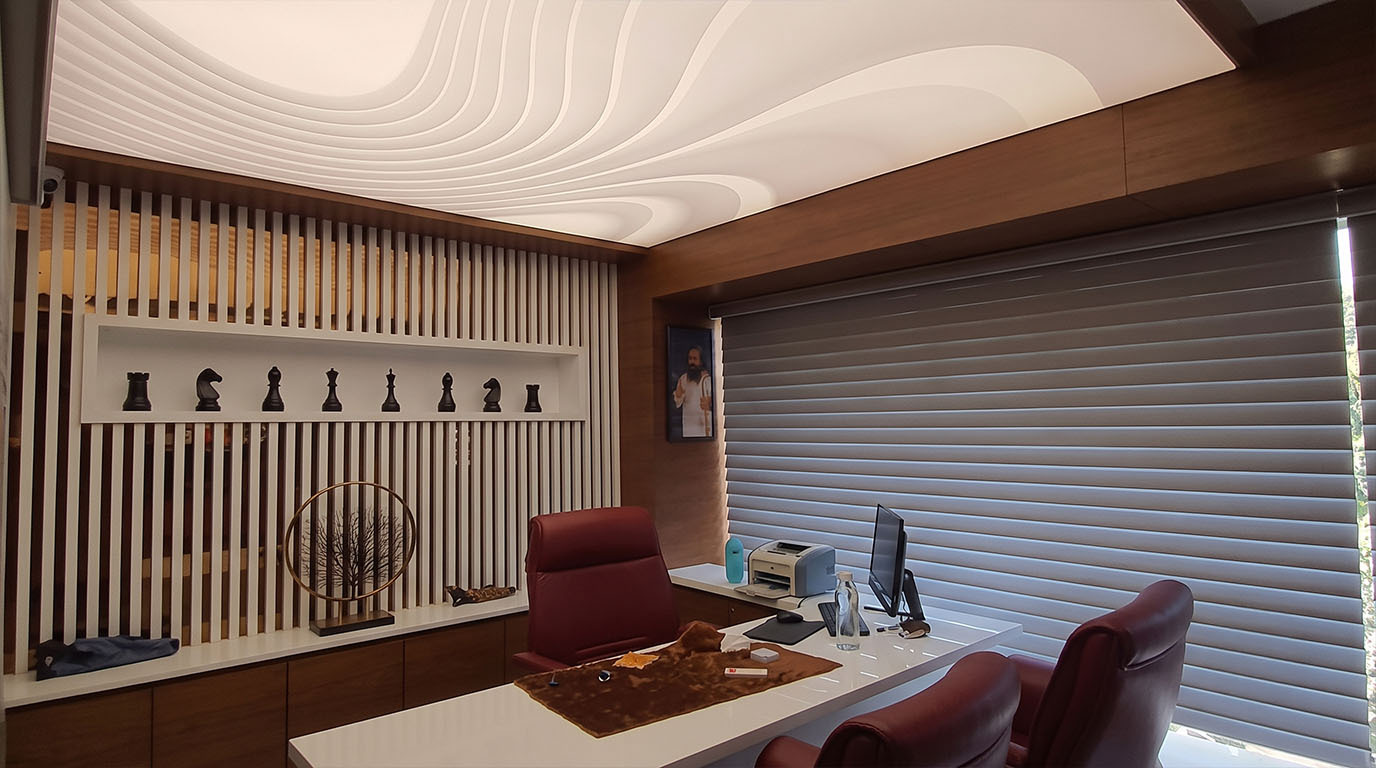
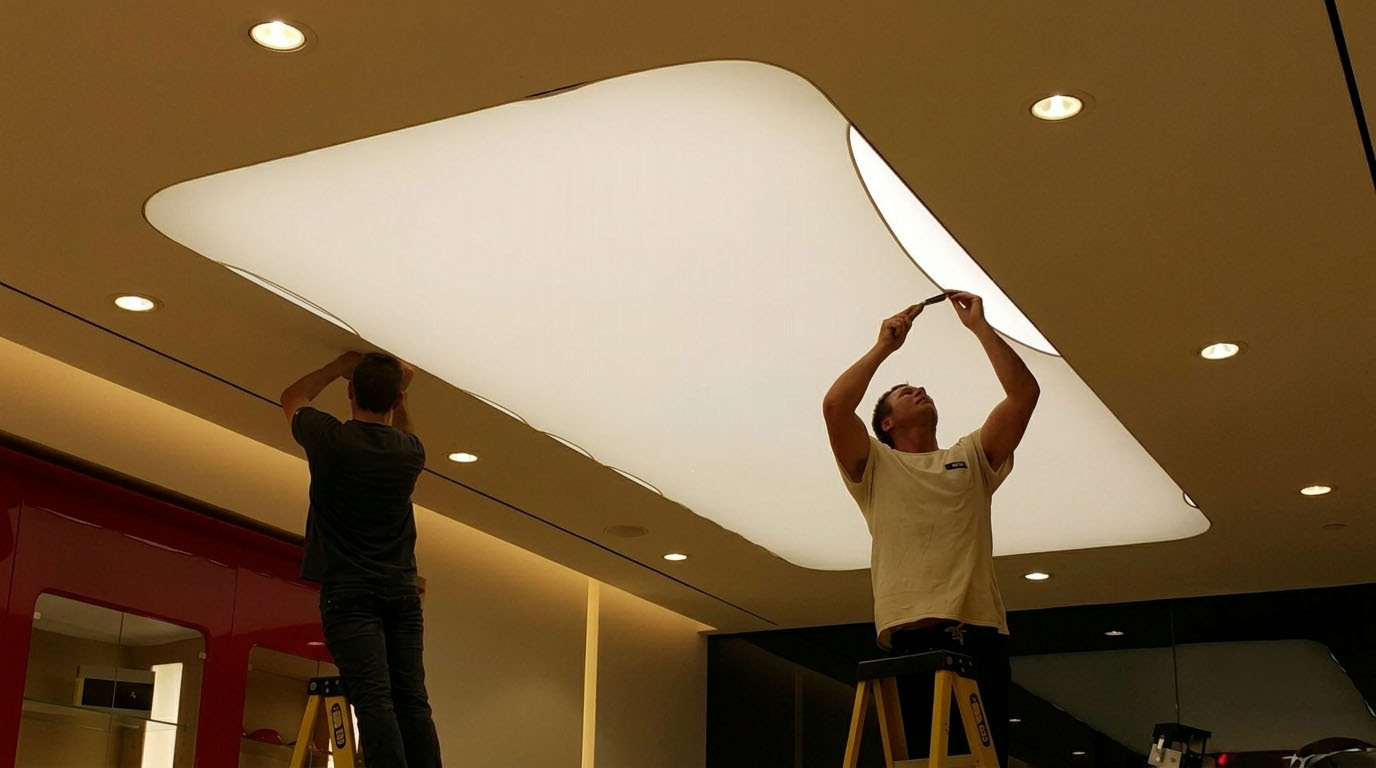
A stretch ceiling is a ceiling system in which a specially manufactured membrane is fitted into a perimeter track to create a smooth, finished surface. Depending on the selected system, it can be designed with matte, satin, glossy, translucent, printed or other decorative finishes.
Stretch ceilings are particularly appealing to homeowners who want more design flexibility than a basic flat ceiling can provide. They can be used in living rooms, bedrooms, dining areas and other suitable residential spaces.
Benefits of Stretch Ceilings
Smooth and seamless appearance
A stretch ceiling can create a clean, uniform surface that complements modern furniture, minimalist interiors and contemporary architectural styles.
Flexible design options
Homeowners can explore different colours, finishes, printed artwork, geometric effects and customised designs, depending on the chosen system.
Integrated lighting possibilities
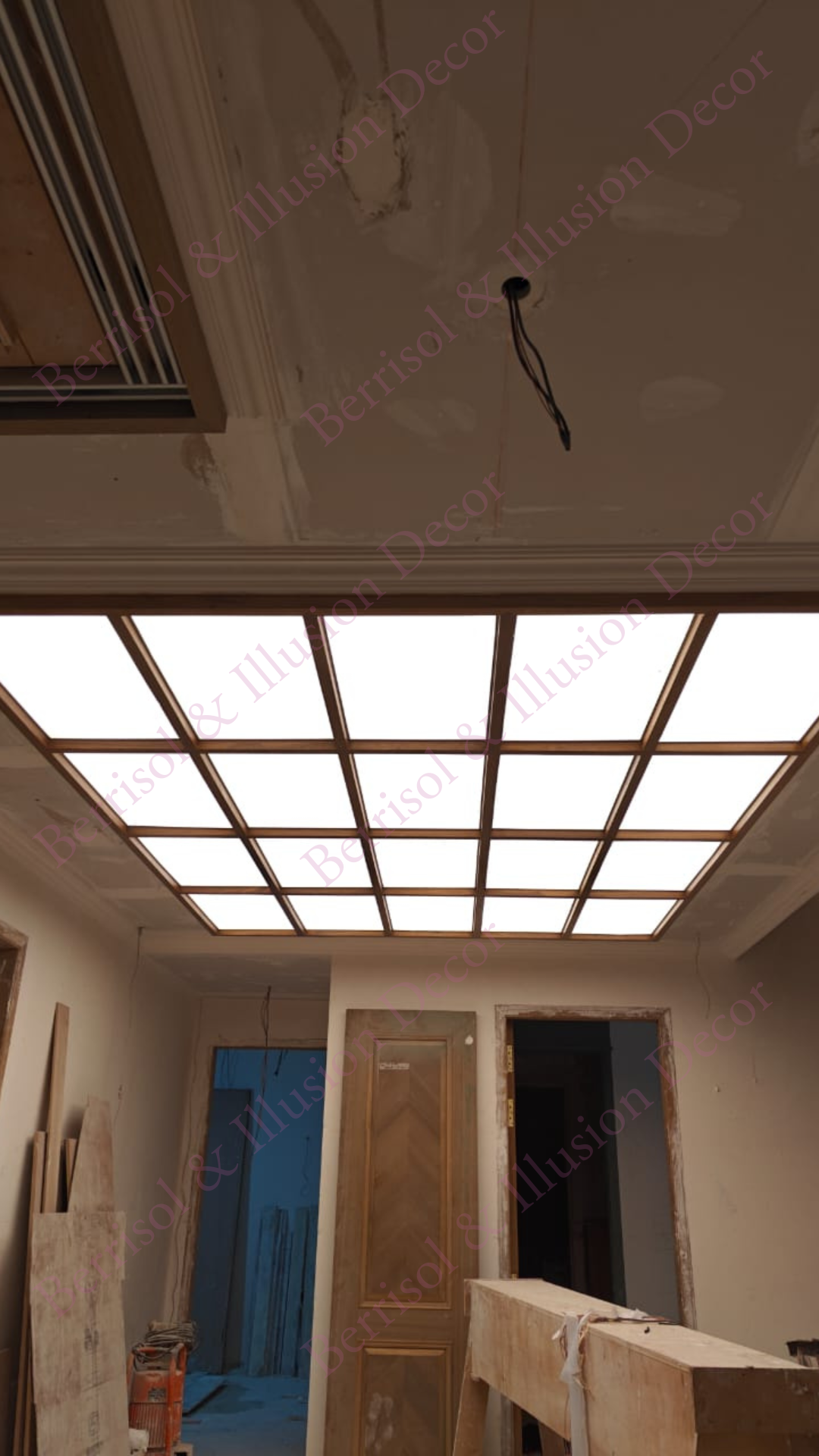
Compatible stretch ceiling systems can accommodate planned lighting effects, including illuminated surfaces and selected concealed LED arrangements. The lighting design should be coordinated with the ceiling specification and electrical layout.
Suitable for different interior styles
A subtle matte ceiling may suit a calm bedroom, while a glossy finish or illuminated design may work well in a modern living room. The appropriate choice depends on the room's proportions and the overall design concept.
A distinctive alternative to conventional ceilings
Stretch ceilings allow homeowners to explore design-led finishes that go beyond a standard painted or plastered surface.
Is a Stretch Ceiling Right for Your Home?
A stretch ceiling may be a good option if you want a contemporary finish, customised design choices or integrated lighting. It is important to check the selected material's specifications, installation requirements, maintenance needs and compatibility with the existing ceiling.
At Berrisol & Illusion Decors, homeowners can explore stretch ceiling systems and solutions for different interior requirements.
2. Gypsum False Ceiling: A Popular Choice for Modern Homes
Gypsum board ceilings are widely used in residential interiors because they provide a smooth surface and support a range of conventional false ceiling designs.
Gypsum boards are fixed to a supporting framework, with joints finished before painting. The finished ceiling can incorporate recessed lights, simple borders and selected layered designs.
Benefits of Gypsum Ceilings
Create a smooth, paintable finish.
Work well with many contemporary interior styles.
Allow recessed lighting and concealed lighting details.
Can be designed with simple geometric layouts and selected multi-level effects.
Are available through many residential ceiling contractors.
Things to Consider
Gypsum board is sensitive to persistent moisture, and leaks can damage the board or its finish. Moisture-resistant products may be appropriate for specific locations, but they do not replace proper waterproofing and ventilation.
The framework and finished ceiling also require sufficient space below the original slab. If your home has a low ceiling, a full-room false ceiling may make the room feel smaller.
Best suited for: Living rooms, bedrooms, dining areas and other suitable dry interior spaces where a conventional painted ceiling is preferred.
3. POP Ceiling: Best for Decorative Shapes and Mouldings
POP, or plaster of Paris, is used to create decorative ceiling features, including curves, cornices, borders and ornamental details. It is a traditional option for homeowners who want a customised design formed on-site.
POP can be used for both simple and elaborate ceiling treatments, depending on the skill of the installer and the complexity of the design.
Benefits of POP Ceilings
Support a wide range of decorative shapes.
Allow customised mouldings and curved details.
Can be painted to match the interior.
Work with different lighting arrangements when planned correctly.
Things to Consider
The final quality depends heavily on workmanship and finishing. Installation can involve on-site preparation, drying and additional finishing work. POP is also vulnerable to water damage, so leaks should be resolved before the ceiling is installed.
Best suited for: Homes that require decorative borders, ornamental details, curved designs or a traditional interior appearance.
4. PVC Ceiling Panels: A Practical Option for Selected Areas
PVC ceiling panels are lightweight panels fixed to a supporting framework. They are available in different colours and patterns and can be useful in areas where moisture resistance and straightforward cleaning are priorities.
However, the quality and suitability of PVC panels vary. Product specifications, heat exposure and the installation environment should be checked before selecting a system.
Benefits of PVC Ceilings
Lightweight construction.
Easy-to-clean surfaces, depending on the product.
Moisture-resistant properties.
Available in different finishes and patterns.
Can be practical for certain utility areas.
Things to Consider
Some PVC panels have visible joints and may not provide the same seamless appearance as other ceiling systems. Lower-quality products may also be affected by heat or environmental conditions.
For bathrooms, kitchens and other moisture-prone spaces, check the product's suitability for the specific location. Proper ventilation, waterproofing and access to concealed services remain important.
Best suited for: Selected utility areas, bathrooms and other locations where a suitable PVC product meets the practical requirements.
5. Wooden Ceiling: Best for a Warm, Natural Look
Wooden ceilings introduce natural colour, texture and warmth into an interior. Depending on the material and design, they can complement contemporary, rustic, traditional and luxury interiors.
Wood may be used across an entire ceiling or as a feature in a smaller area.
Benefits of Wooden Ceilings
Create a warm, distinctive appearance.
Complement natural materials and neutral interiors.
Can be used as an accent feature.
Offer different colours, grains and finishes.
Things to Consider
The cost depends on the wood species, finish, design and installation method. Wood also requires appropriate care and protection against moisture, insects and other conditions relevant to the installation environment.
Best suited for: Bedrooms, living rooms, feature areas and interiors where a natural material aesthetic is important.
Which Ceiling Is Best for Each Room in Your Home?
The best ceiling for a home may vary from one room to another. Consider the room's function before selecting a material or design.
Living Room
The living room is often the main space for entertaining guests and spending time with family. A stretch ceiling can create a clean, contemporary finish, while integrated lighting can help define the room's atmosphere.
Gypsum is another option for homeowners who prefer conventional false ceiling designs with recessed lights or simple borders. For a more distinctive appearance, consider whether a customised or printed ceiling would complement the furniture and wall finishes.
Explore stretch ceiling lighting solutions if you want to incorporate lighting into your ceiling design.
Bedroom
A bedroom generally benefits from a comfortable, visually balanced design. Matte finishes, subtle colours and soft lighting can help maintain a calm appearance.
Both gypsum and stretch ceilings can work well, depending on your preferred finish and practical requirements. Avoid overly complex designs if the room has limited ceiling height or if you prefer a minimalist interior.
Kitchen
Kitchen ceilings need to be considered alongside ventilation, cooking conditions, lighting and access to concealed services. A suitable ceiling material should be selected according to the specific environment and manufacturer's guidance.
PVC panels may suit some applications, while other systems may be appropriate where heat exposure, appearance and service access are properly addressed.
Before installation, confirm the position of exhaust systems, electrical connections and any pipes or services that may require future access.
Bathroom
Moisture is the main consideration when choosing a bathroom ceiling. A suitable moisture-resistant ceiling system may be considered, but the choice should account for ventilation, waterproofing, condensation and the manufacturer's recommendations.
PVC panels can be practical in some bathrooms. Other specialised ceiling systems may also be suitable if their specifications support the intended use.
Never use a new ceiling finish to conceal an unresolved leak or persistent dampness.
Dining Room
A dining room ceiling can help distinguish the dining area from the rest of an open-plan interior. A simple false ceiling, a stretch ceiling or a planned lighting feature may work well.
Consider the placement of the dining table, pendant lights and other furniture before finalising the design. The ceiling should support the overall layout rather than compete with it.
Pooja Room
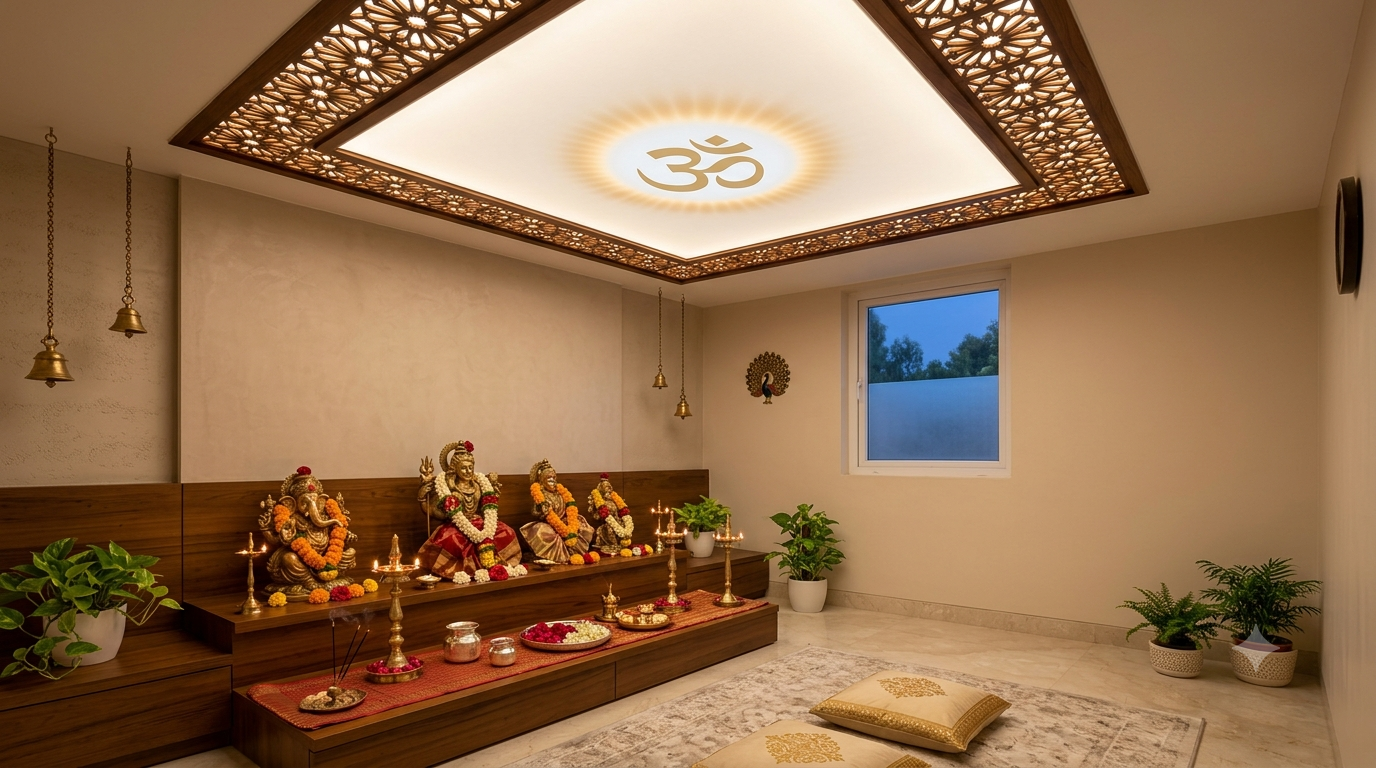
For a pooja room, homeowners often prefer a ceiling design that complements the room's spiritual and decorative elements. Subtle patterns, suitable lighting and carefully selected colours can help create a balanced appearance.
Explore this pooja room ceiling design guide for additional inspiration when planning the space.
Stretch Ceiling vs Gypsum vs POP vs PVC
Choosing between these ceiling types becomes easier when you compare their main characteristics.
Stretch Ceiling
Appearance: Smooth, contemporary and available in different finishes.
Design flexibility: Supports selected printed, translucent, glossy, matte and customised options.
Lighting: Can accommodate compatible integrated lighting systems.
Best for: Design-led residential interiors that need a distinctive finish.
Main consideration: Product specification, installation expertise and project requirements.
Gypsum Ceiling
Appearance: Smooth and paintable.
Design flexibility: Suitable for conventional flat, bordered and selected layered designs.
Lighting: Works with many recessed and concealed lighting layouts.
Best for: Modern living rooms, bedrooms and other suitable dry spaces.
Main consideration: Moisture exposure, ceiling height and access to concealed services.
POP Ceiling
Appearance: Painted, decorative and adaptable.
Design flexibility: Well suited to mouldings, curves and ornamental details.
Lighting: Can accommodate planned lighting features.
Best for: Traditional and decorative interiors.
Main consideration: Workmanship, drying time and vulnerability to water damage.
PVC Ceiling
Appearance: Panel-based, with different available finishes.
Design flexibility: Depends on the panel type and layout.
Lighting: Requires appropriate planning for fixtures and electrical components.
Best for: Selected utility and moisture-prone areas.
Main consideration: Product quality, visible joints, heat exposure and suitability for the room.
There is no universal winner. If your priority is a conventional painted ceiling, gypsum may be appropriate. If you want decorative mouldings, POP may suit your design. If you are looking for a distinctive, smooth finish with customised visual effects, a stretch ceiling deserves consideration.
How to Choose the Best Ceiling for Your Home
Before making a final decision, assess these important factors.
1. Define Your Design Preference
Decide whether you want a simple ceiling, a decorative feature or a customised architectural finish. Collect a few reference images and identify the colours, shapes and lighting effects you like.
2. Check the Available Ceiling Height
Every suspended or secondary ceiling system needs space for its installation. The amount of space required varies by system and design.
Measure the existing ceiling height and consider how the proposed installation will affect the room's proportions.
3. Set a Realistic Budget
The total project cost may include materials, framework or tracks, lighting, electrical work, surface preparation and installation labour. Complex shapes and customised finishes may require additional planning.
Compare quotations based on the same scope of work instead of choosing solely on the initial price.
4. Consider Maintenance
Ask how the selected ceiling should be cleaned, whether individual components can be accessed and what happens if a repair is required. The manufacturer's care instructions should guide your maintenance routine.
5. Plan Lighting Early
The ceiling design and lighting layout should be developed together. Consider the position of lights, brightness, colour temperature, wiring and access to electrical components before installation begins.
6. Choose an Experienced Ceiling Specialist
A suitable installation team should understand measurements, material specifications, lighting coordination and the practical requirements of the site.
At Berrisol & Illusion Decors, homeowners can discuss their requirements and explore stretch ceiling options before deciding which design is appropriate for their property.
Why Choose Berrisol & Illusion Decors for Your Home Ceiling?
Selecting the right ceiling involves balancing appearance with installation requirements and long-term practicality. Berrisol & Illusion Decors specialises in architectural stretch ceilings and lighting solutions for residential and commercial interiors.
Homeowners can explore different finishes and design approaches according to their space, preferred appearance and project requirements.
Customised Stretch Ceiling Options
From understated finishes to more expressive ceiling designs, the available options can be considered according to the room's architecture and intended atmosphere.
Integrated Lighting Solutions
Lighting can be planned alongside the ceiling to create a cohesive finish. The final arrangement depends on the chosen system, room dimensions and electrical requirements.
Decorative and Printed Designs
For homeowners looking beyond a plain ceiling, selected printed and customised finishes can introduce colour, patterns or artwork into the interior.
Project-Specific Planning
Every property has different ceiling heights, layouts and installation conditions. Discussing these details before work begins helps identify suitable options and clarify the project scope.
To learn more about the available options, visit the Berrisol stretch ceiling service page or contact the team to discuss your project.
Conclusion: Which Type of Ceiling Should You Choose?
The best ceiling for your home is the one that suits your room, design preferences, budget and practical requirements.
Gypsum is a popular choice for conventional modern interiors, POP works well for decorative shapes, PVC panels can be useful in selected moisture-prone areas, and wood creates a natural aesthetic. A stretch ceiling is worth considering when you want a smooth finish with options for customised colours, printed designs and integrated lighting.
Before choosing a ceiling, evaluate the available height, lighting layout, moisture conditions, maintenance requirements and installation specifications. A carefully planned system can complement your interiors while meeting the practical needs of your home.
Planning a New Ceiling for Your Home?
Transform your interior with a ceiling design that reflects your style and suits your space. Berrisol & Illusion Decors can help you explore stretch ceiling finishes, customised designs and integrated lighting possibilities for your home.
Discuss your room dimensions, preferred finish and design ideas with the team to identify suitable options for your project.
Contact Berrisol & Illusion Decors to discuss your ceiling requirements and take the next step towards your home transformation.