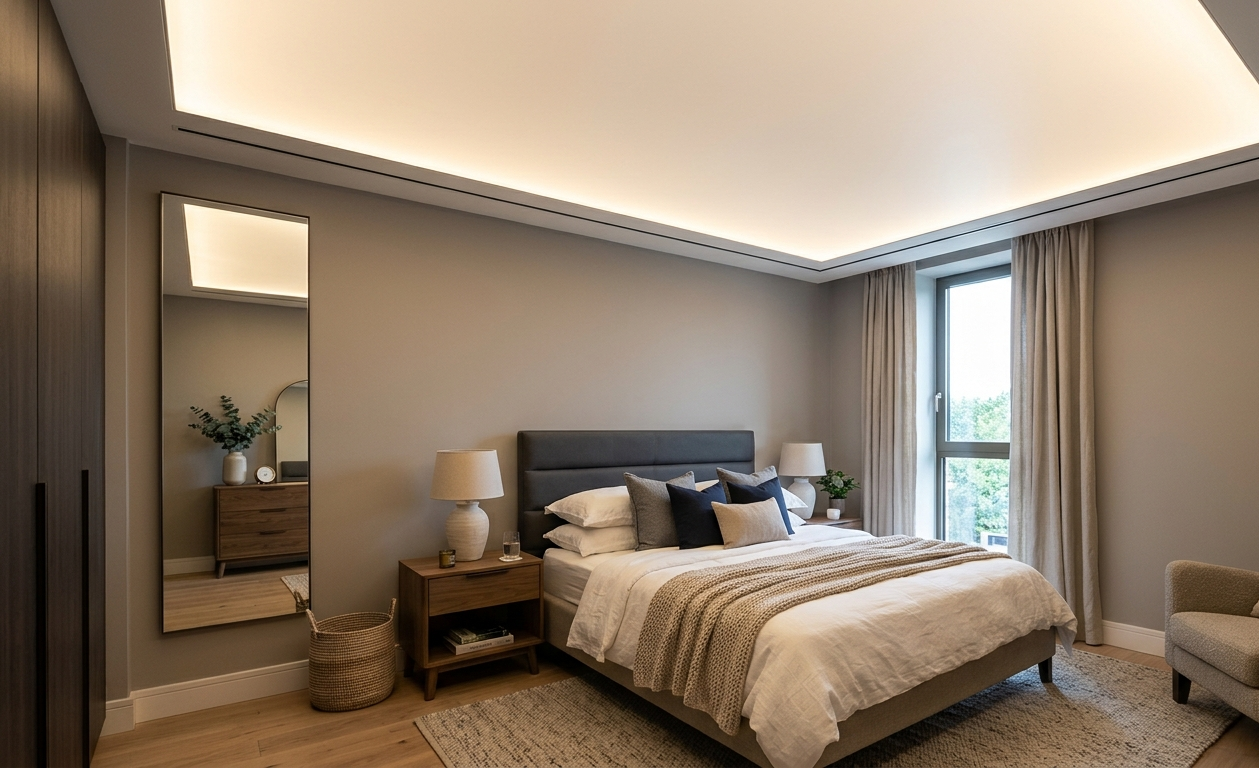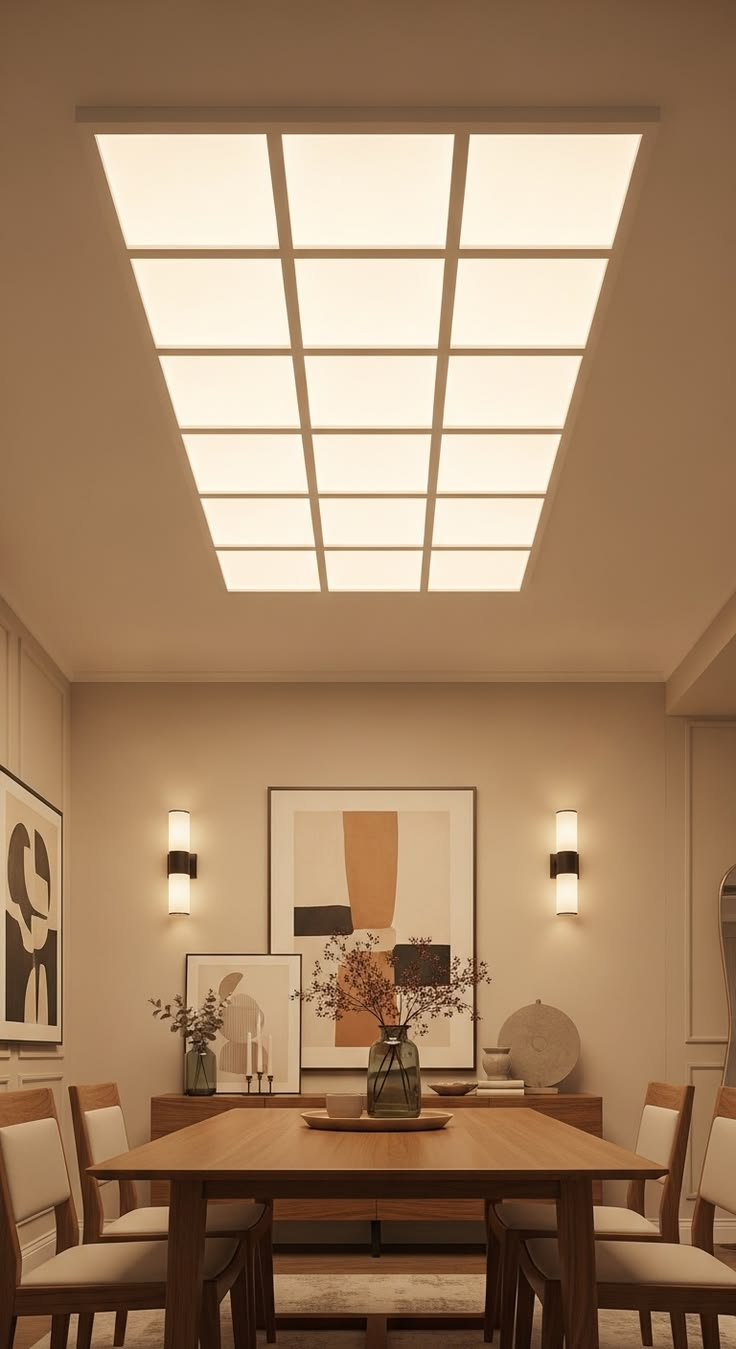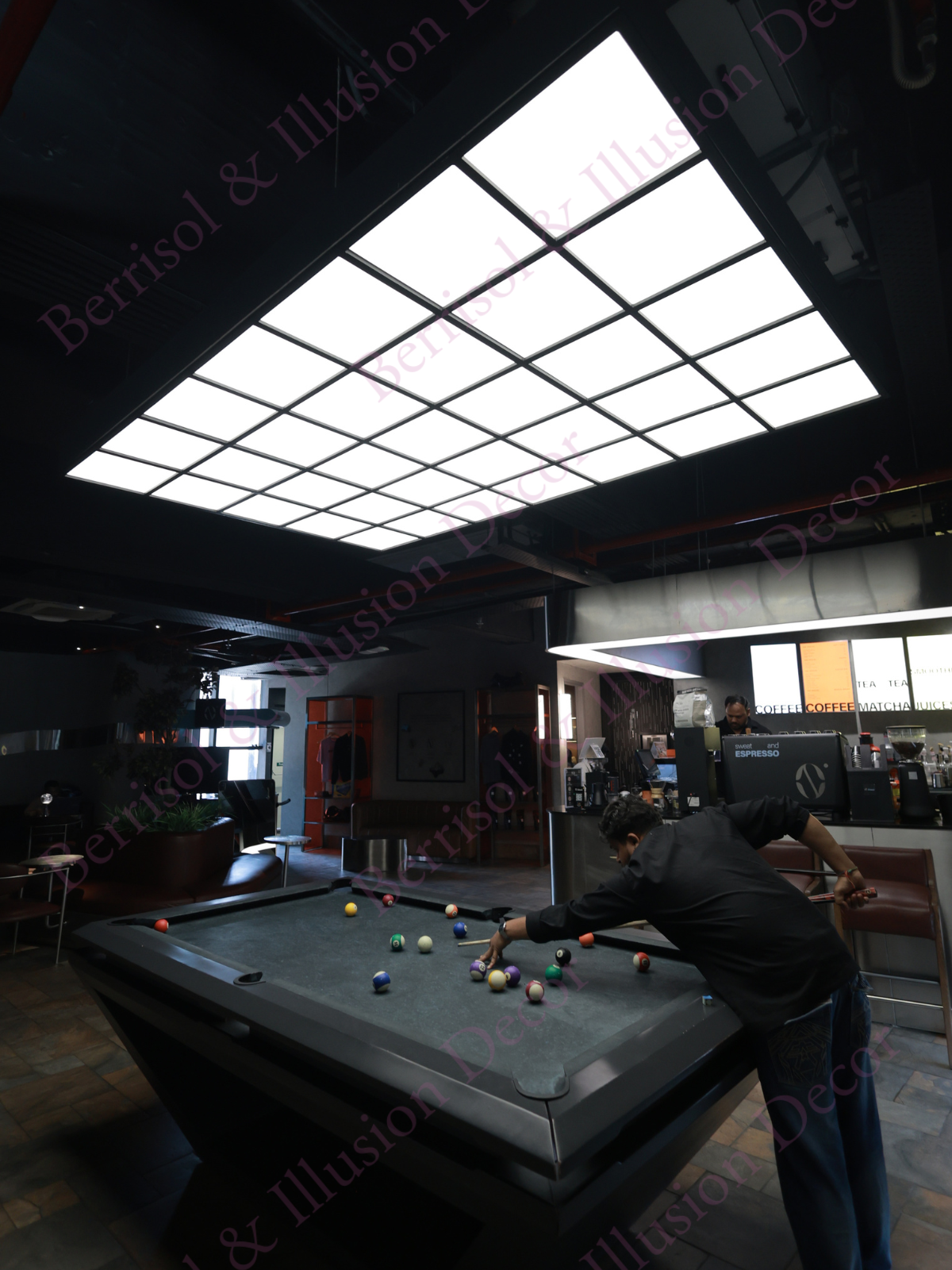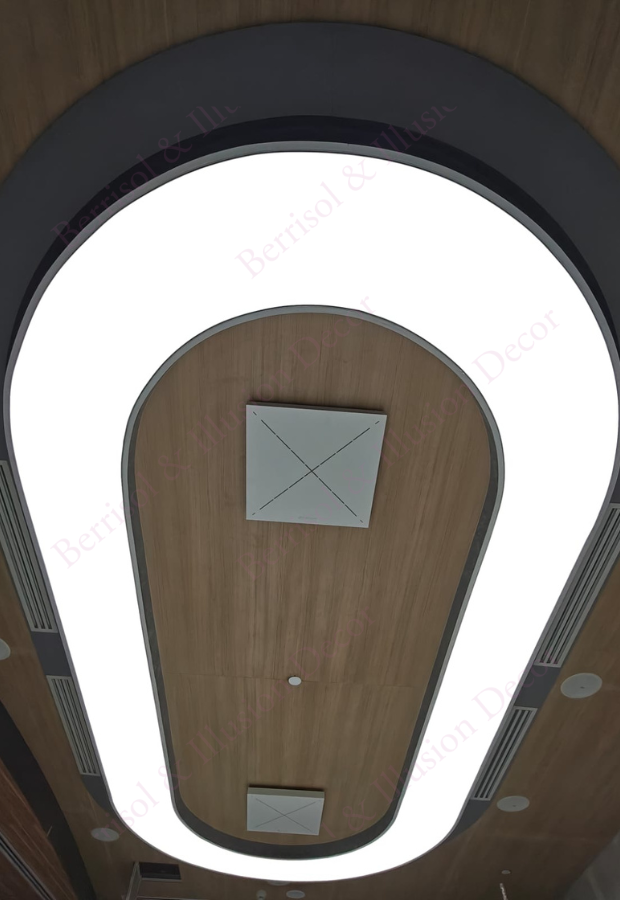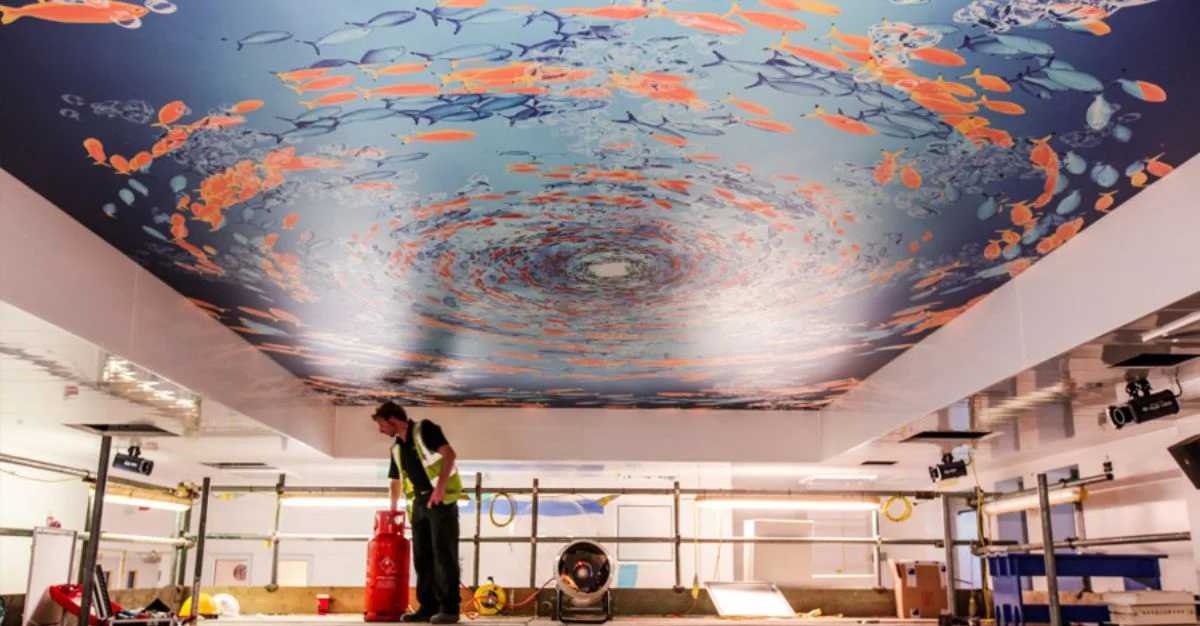
Whether you are renovating a home, designing a hotel lobby or creating a distinctive retail environment, printed ceilings offer a way to make the ceiling an important part of the overall design.
Modern stretch ceiling printing allows selected images and patterns to be incorporated into a ceiling membrane, helping designers create interiors that feel more personal and visually connected. From soft clouds and botanical designs to geometric patterns and brand-inspired graphics, the possibilities depend on the selected material, printing method and project requirements.
Printed stretch ceilings can be considered for residential and commercial interiors where appearance, design flexibility and a coordinated finish matter. The key is to choose a visual that suits the room, works with the lighting and supports the atmosphere you want to create.
In this guide, we explore what printed stretch ceilings are, their benefits, popular design ideas, suitable applications, installation considerations and factors that may influence the overall cost.
What Is a Printed Stretch Ceiling?
A printed stretch ceiling is a ceiling system that uses a specially designed membrane featuring a printed image, pattern or decorative graphic. The membrane is fitted into a perimeter track to create a smooth ceiling surface, with the printed design becoming an integral part of the interior.
Depending on the selected system, printing may be available on suitable PVC or fabric-based ceiling materials. The exact options, image quality, colour reproduction and installation requirements vary by product.
Unlike conventional ceiling decoration, which may rely on paint, wallpaper or separately attached decorative elements, a printed stretch ceiling allows the visual design to be incorporated into the membrane itself. This provides opportunities to create a consistent image across a ceiling surface or use a carefully positioned graphic as a focal point.
For example, a bedroom could feature a subtle sky-inspired design, a restaurant might use a botanical pattern, and a company reception area could incorporate custom graphics that complement its visual identity.
The most effective designs are not necessarily the most elaborate. A carefully selected image, balanced colours and appropriate lighting can make a ceiling feel connected to the rest of the room rather than separate from it.
If you are exploring this type of ceiling for your property, visit Barrisol's printed stretch ceiling service page to explore the relevant ceiling solution.
Why Choose Printed Stretch Ceiling Designs?
Printed stretch ceilings combine decorative possibilities with the practical benefits of a planned ceiling system. Their suitability depends on the room, the chosen material and the quality of installation.
1. Create a Unique Interior Design
One of the main advantages of a printed stretch ceiling is the ability to customise the appearance of the ceiling. Instead of choosing only a standard colour or plain finish, you can explore imagery and patterns that suit your personal taste or design brief.
Popular choices include:
Nature-inspired scenes and botanical patterns
Clouds, skies and subtle atmospheric visuals
Geometric shapes and contemporary abstract artwork
Marble-inspired and stone-inspired patterns
Artistic illustrations and decorative motifs
Custom graphics for branded commercial interiors
The final design should complement the room's furniture, flooring, wall colours and architectural style. A well-balanced ceiling can add interest without overwhelming the space.
2. Make the Ceiling a Visual Feature
Ceilings often receive less attention than walls and flooring, even though they can influence how a room feels. Printed designs help turn this overlooked surface into a deliberate part of the interior scheme.
In a living room, a restrained decorative pattern may create a sophisticated finish. In a hotel lobby, a larger visual design could help establish a memorable first impression. In a showroom, a custom ceiling graphic can support the atmosphere created by the products and displays.
The goal is to choose a design that works with the room rather than competing with every other feature.
3. Explore Different Colours and Patterns
A printed ceiling can introduce colours that coordinate with existing interior elements or provide a controlled contrast. This flexibility is useful when a space needs more character but does not require a complete redesign.
For a calm interior, consider soft colours, delicate patterns or nature-inspired imagery. For a contemporary commercial space, abstract graphics and geometric designs may be more appropriate.
Before finalising a design, review how the selected colours appear under the room's actual lighting conditions. Colours can look different under warm, cool and daylight-balanced illumination.
4. Coordinate Printing with Integrated Lighting
Lighting can change how a printed ceiling looks throughout the day. Carefully positioned lighting can draw attention to the design, improve the room's usability and create a more consistent visual effect.
Some stretch ceiling systems can be planned alongside spotlights, LED panels or specialised backlighting. However, not every printed membrane is suitable for every lighting arrangement. The material, image, light source and installation details must be considered together.
If you are planning a ceiling with integrated illumination, explore Barrisol's stretch ceiling lighting solutions to understand how lighting can form part of a wider ceiling design.
5. Achieve a Smooth, Coordinated Finish
A properly installed stretch ceiling can provide a consistent surface with a clean perimeter finish. The printed artwork becomes part of the overall ceiling appearance, helping the design feel intentional rather than like an additional decoration.
The final result depends on accurate measurements, correct artwork preparation, suitable material selection and careful installation. Room dimensions and ceiling features should be considered before the design is sent for production.
6. Suit Different Interior Styles
Printed stretch ceilings are not limited to luxury or highly decorative spaces. The right design can work in minimalist homes, contemporary offices, hospitality interiors and selected retail environments.
A neutral pattern can complement a simple interior, while a bold image can create a feature in a larger room. The flexibility lies in matching the visual design to the scale, purpose and character of the space.
Popular Printed Stretch Ceiling Ideas for Modern Interiors
The best printed ceiling design depends on the atmosphere you want to create. Here are several ideas to consider for different rooms and applications.
Nature-Inspired Printed Ceilings
Nature-inspired visuals can introduce a softer decorative element into an interior. Designs featuring leaves, trees, flowers, landscapes or sky imagery may suit selected bedrooms, living rooms, hospitality spaces and wellness environments.
For a subtle look, choose muted greens, warm neutrals or softly blended colours. Larger and more colourful images may work better where the ceiling is intended to be the main decorative feature.
Consider the viewing angle and room dimensions when choosing the image. A detailed landscape that looks impressive in a large space may feel crowded in a small room.
Cloud and Sky Ceiling Designs
Cloud and sky-inspired designs can create a light, open visual effect. They may be considered for bedrooms, children's rooms, relaxation spaces and selected hospitality interiors.
The design should be chosen carefully to avoid an overly busy appearance. Soft colours and balanced imagery can complement natural light, while more dramatic sky scenes may suit specific themed interiors.
Printed sky designs are decorative choices; they do not change the physical height or dimensions of the room.
Geometric Printed Ceilings
Geometric patterns suit contemporary interiors where clean lines and visual order are important. Repeating shapes, abstract forms and structured patterns can complement modern furniture, glass partitions and minimalist architectural details.
These designs may work well in offices, meeting rooms, reception areas and retail spaces. Simpler patterns are often easier to coordinate with other finishes, while complex graphics require careful alignment and artwork preparation.
Marble-Inspired and Textured Visuals
Marble-inspired prints and other stone-like patterns can introduce a decorative finish without requiring the ceiling itself to be made from natural stone. They may be considered for entrance areas, hotel interiors, selected living spaces and commercial reception zones.
When choosing a marble-inspired image, look at the scale and direction of the pattern. A design that is too prominent may compete with the walls and flooring, while a restrained pattern can create a more coordinated appearance.
Custom Artwork and Abstract Designs
Custom artwork gives homeowners, designers and businesses greater control over the appearance of a ceiling. The design could feature abstract forms, illustrations, artistic patterns or visuals developed specifically for the project.
This approach can be useful when a standard ceiling finish does not match the intended interior concept. Before production, confirm that the image resolution, colours, proportions and dimensions are suitable for the selected ceiling material.
Branded Printed Ceilings for Commercial Spaces
Businesses may use printed ceiling designs to support their visual identity. A carefully designed graphic can complement a reception area, retail environment, exhibition space or showroom.
Branding should remain tasteful and appropriate to the space. A logo or graphic does not need to cover the entire ceiling; sometimes a smaller, well-positioned design creates a more refined result.
For commercial projects, ensure the artwork follows the brand guidelines and is approved before production.
Where Can Printed Stretch Ceilings Be Used?
Printed stretch ceilings can be considered for many types of interiors, provided the selected system is appropriate for the environment and intended use.
Printed Stretch Ceilings for Homes
Residential interiors offer several opportunities for customised ceiling designs.
Living rooms: A subtle geometric pattern, abstract design or coordinated decorative image can help connect the ceiling with the rest of the living space.
Bedrooms: Soft colours, understated patterns and calming imagery can complement a restful interior. The design should be comfortable to look at and suitable for the room's lighting.
Dining areas: A carefully selected graphic can help define the dining area, particularly in open-plan homes where different spaces share one large room.
Children's rooms: Colourful illustrations, imaginative patterns or themed artwork can create a personalised space. Choose a design that remains appealing as the room's furniture and decor change.
Entrance areas: A printed ceiling can introduce a decorative detail as soon as someone enters the home. Simpler designs may work particularly well where the available ceiling area is limited.
Printed Ceilings for Offices
Office interiors often need to balance visual identity with everyday functionality. Printed stretch ceilings can be considered for reception areas, collaborative spaces, executive offices and selected meeting rooms.
A restrained pattern can complement professional surroundings, while a custom graphic may support the company's identity. Lighting, ventilation, access to building services and any acoustic requirements should be considered during planning.
The ceiling design should support the workplace rather than distract employees or visitors.
Printed Ceilings for Hotels and Restaurants
Hospitality spaces use interior design to establish a particular atmosphere. Printed stretch ceilings can support this objective through custom colours, decorative imagery and coordinated finishes.
Restaurants may consider botanical or abstract patterns, while hotel reception areas could use artwork that reflects the property's design concept. Guest rooms may benefit from simpler designs that complement the furniture and lighting.
The material and finish should be appropriate for the intended environment, and cleaning or maintenance requirements should be reviewed before selection.
Printed Ceilings for Retail Stores and Showrooms
In retail spaces, the ceiling forms part of the customer's overall visual experience. A printed design can complement product displays, brand colours and the wider store layout.
A showroom might use a restrained pattern to maintain attention on its products, while a themed retail space could use more distinctive artwork. The design should account for lighting positions, display arrangements and the way customers move through the space.
Printed Ceilings for Healthcare and Institutional Interiors
Selected healthcare, educational and institutional projects may also consider printed stretch ceilings. However, these environments can have specific requirements relating to hygiene, cleaning, fire performance, accessibility and building regulations.
The chosen system should be checked against the requirements of the facility. Decorative suitability alone is not enough to establish whether a particular material is appropriate for a healthcare or institutional setting.
Printed Stretch Ceilings vs Traditional Ceiling Decoration
When planning a ceiling renovation, it helps to compare the available approaches rather than assume one solution is best for every project.
Traditional painted ceilings offer a straightforward finish and can be suitable when the goal is a simple, uniform appearance. Decorative painting can introduce patterns or artwork, but the final result depends on the skill, preparation and method used.
Printed stretch ceilings provide another option by incorporating an image or pattern into a fitted membrane. They can be useful when a project requires a consistent printed design across a defined ceiling area.
The main differences to consider include:
Design approach: Printing allows artwork to be prepared digitally, while painted designs are created through conventional finishing methods.
Surface finish: A stretch ceiling can create a smooth membrane surface when properly installed, while a painted ceiling depends on the preparation and condition of the underlying surface.
Installation requirements: Stretch ceilings require compatible perimeter tracks and suitable site conditions. Traditional decoration has its own preparation and drying requirements.
Customisation: Both approaches can offer design flexibility, but the range of achievable effects and the production process differ.
Maintenance: Cleaning and repair requirements depend on the specific finish, material and nature of any damage.
The most suitable choice depends on the room, design goals, site conditions and project budget. A site assessment can help determine whether a printed stretch ceiling is appropriate.
How Is a Printed Stretch Ceiling Installed?
A printed stretch ceiling requires planning before the membrane is fitted. The artwork, dimensions, material and site conditions must work together to achieve the intended appearance.
Step 1: Assess the Space
The installation process begins with measuring the ceiling and reviewing the existing conditions. The team should consider ceiling height, perimeter details, lighting positions and any services that need to be accommodated.
This assessment also helps establish whether the proposed design will suit the available ceiling area.
Step 2: Select the Design
Choose the image, pattern, colours and overall visual style. Consider how the ceiling relates to the furniture, walls, flooring and lighting.
For custom artwork, make sure the image has sufficient resolution for the intended size. Important visual elements should be positioned carefully so they are not obscured by lights or affected by the ceiling layout.
Step 3: Prepare the Artwork
The design is prepared according to the dimensions and requirements of the selected ceiling system. Colour reproduction, image proportions, print suitability and any alignment requirements should be checked before production.
A proof or design preview can help identify issues before the artwork is finalised.
Step 4: Prepare the Ceiling and Fit the Track
The installation area is prepared, and the required perimeter track is fitted according to the selected system. Any necessary coordination with lighting, electrical work and other building services should be completed as part of the installation plan.
Step 5: Fit the Printed Membrane
The printed membrane is fitted according to the manufacturer's installation requirements. Correct handling and positioning help maintain the intended appearance of the artwork and the overall ceiling finish.
Step 6: Complete Final Checks
Once the membrane is installed, the finished ceiling should be checked for alignment, perimeter details and consistency with the approved design. Where lighting or other integrated features are included, these should also be checked by the relevant professionals.
Installation time depends on the room size, design complexity, site conditions and chosen system. A project-specific assessment is the best way to establish the expected schedule.
What Affects the Cost of a Printed Stretch Ceiling?
The cost of a printed stretch ceiling varies according to the project specification. The size of the ceiling is only one part of the overall calculation.
Ceiling Area
Larger ceiling areas generally require more material and more installation work. Room dimensions also affect the layout and preparation of the printed design.
Material and Finish
The selected membrane, finish and printing requirements can influence the cost. Different systems may have different material specifications and production processes.
Artwork and Customisation
A standard pattern and a custom-created design may involve different preparation requirements. Artwork complexity, image quality, colour requirements and design revisions can affect the overall project.
Lighting and Additional Features
Integrated lighting, translucent effects and other specialist features may add to the cost. These elements require coordination between the ceiling specification and the relevant electrical or installation work.
Ceiling Shape and Site Conditions
A simple rectangular ceiling may be more straightforward to plan than a space with multiple levels, curves, unusual dimensions or complex perimeter details. Access and the condition of the existing ceiling can also influence the work required.
Installation and Project Requirements
The quotation should clarify the materials, installation work, finishing details and any additional services included. Comparing quotations is more useful when each is based on the same design and specification.
For an accurate estimate, provide the ceiling dimensions, preferred design, location and any lighting requirements when requesting a consultation.
How to Choose the Right Printed Ceiling Design
A printed ceiling should look good in the room and remain suitable for its intended use. Before finalising the design, consider the following factors.
Match the room's purpose. A bedroom, reception area and retail showroom have different requirements. Choose artwork that supports the intended atmosphere.
Consider ceiling height. In a room with limited ceiling height, a busy or visually heavy design may dominate the interior. Simpler patterns and carefully selected colours can provide a more balanced effect.
Coordinate colours. The ceiling should work with the walls, flooring, furniture and other decorative elements. Review the design under the lighting conditions expected in the finished room.
Check image quality. A design intended for a large ceiling needs suitable image resolution and correct proportions. Low-quality artwork may not reproduce as expected.
Plan lighting early. Decide where lights will be positioned before the printed membrane is produced. This helps prevent important parts of the design from being hidden or visually disrupted.
Consider maintenance. The selected material and finish should suit the room's use and cleaning requirements. Follow the manufacturer's guidance for routine care.
Choose a suitable installation team. Accurate measurements, correct handling and attention to finishing details are important for achieving the intended result.
Maintaining a Printed Stretch Ceiling
Routine maintenance helps preserve the appearance of a printed ceiling. The correct approach depends on the material, printed finish and manufacturer's instructions.
Remove dust using only a method recommended for the selected membrane.
Avoid abrasive tools, harsh chemicals and unapproved cleaning products.
Do not press hard against the membrane or attempt to remove it without appropriate training.
Follow the manufacturer's guidance if the ceiling needs more thorough cleaning.
Arrange a professional inspection if you notice sagging, damage, loose fittings or issues around integrated lighting.
It is also sensible to retain the product and installation information for future maintenance. This can help identify the correct cleaning approach and any specific care requirements.
A printed stretch ceiling should not be described as completely maintenance-free. Its long-term condition depends on the material, installation quality, room environment and care it receives.
Why Consider Barrisol Ceiling for Printed Stretch Ceiling Design?
Choosing a ceiling solution involves more than selecting an attractive image. The material, print preparation, installation method and coordination with other interior elements all contribute to the finished result.
Barrisol Ceiling offers stretch ceiling options for different interior applications. For a printed ceiling project, the important considerations include selecting a suitable system, confirming the artwork requirements and planning the installation around the room's dimensions and intended use.
Before proceeding, discuss the room size and existing ceiling conditions, the preferred image or pattern, the available material and finish, lighting positions, installation requirements, the expected project schedule and any product-specific performance documentation.
If you are considering a more sculptural ceiling feature, explore 3D stretch ceiling designs for ideas that introduce depth and distinctive visual effects.
For broader inspiration, browse the Barrisol Ceiling gallery to explore ceiling design possibilities and consider how different finishes might work in your own space.
Transform Your Interior with a Custom Printed Stretch Ceiling
A printed stretch ceiling offers a way to bring colour, artwork and personality into an interior without relying solely on conventional ceiling finishes. From subtle patterns in residential spaces to custom graphics in hotels, offices and showrooms, the right design can become a natural part of the room's overall character.
The best result comes from balancing visual appeal with practical considerations. Material selection, image quality, lighting, installation conditions and maintenance should all be reviewed before the design is finalised.
If you are planning a printed ceiling for a home or commercial project, explore the available design options and discuss your requirements with the Barrisol Ceiling team. Visit the contact page to enquire about your project, share your preferred design and find out what options may be suitable for your space.