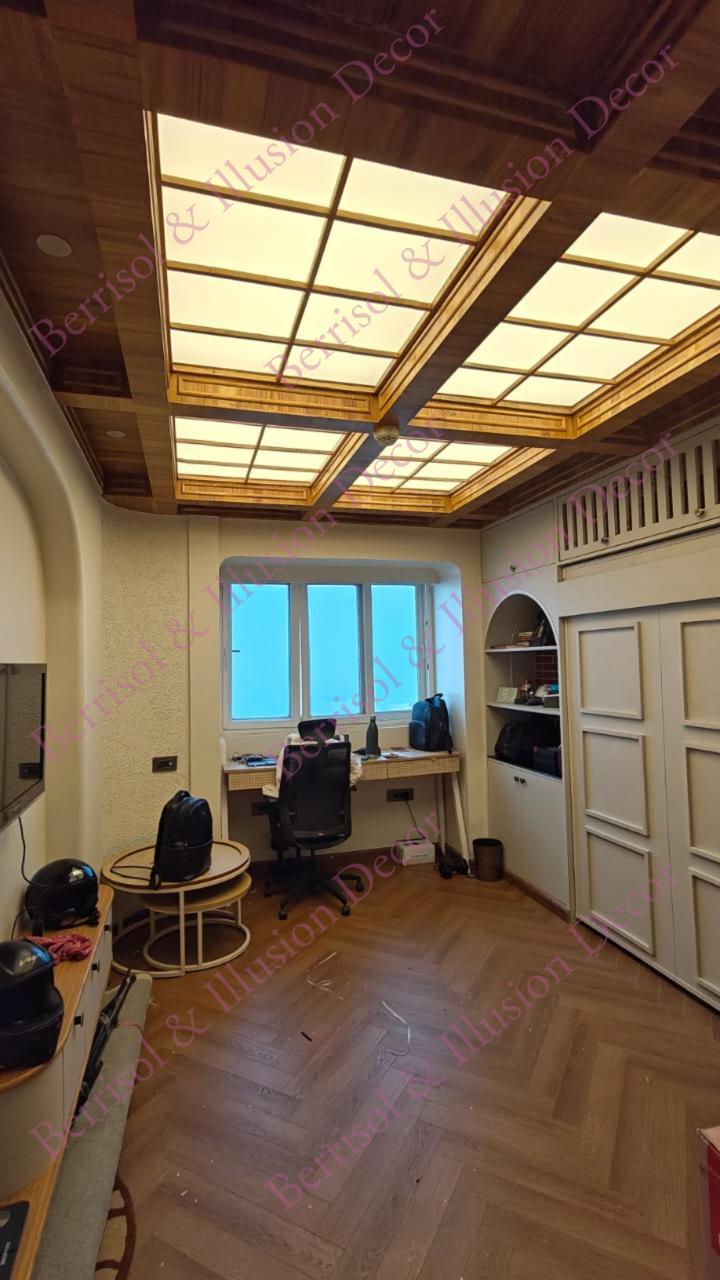
Quick answer: A stretch ceiling is a thin, seamless membrane (usually PVC or fabric) that is stretched tightly across a lightweight track fixed on your walls, forming a smooth new ceiling just below the original one. It is installed quickly, hides wires and imperfections, and can be combined with many kinds of lighting.
If you have seen a perfectly smooth, glowing or glossy ceiling in a hotel, showroom or modern flat and wondered what it is, this guide is for you. We explain the meaning of a stretch ceiling, how it works, how it is installed step by step, and whether it is a good choice for Indian homes.
What Is a Stretch Ceiling? (Meaning)
A stretch ceiling, also called a stretch ceiling system or tension ceiling, is a false ceiling made from a thin membrane instead of heavy boards or plaster. The membrane is fixed to a perimeter track (profile) on the walls and pulled tight, so it sits flat like a drum skin.
The concept started in Europe and is now used worldwide. Barrisol is one of the best-known names associated with this technology, and these ceilings are now popular in Indian homes, offices, hospitals, hotels and showrooms.
What Is a Stretch Ceiling Made Of?
A stretch ceiling has three main parts:
Membrane: The visible ceiling surface. It is usually PVC, though fabric versions also exist.
Perimeter profile (track): A lightweight aluminium or PVC channel fixed around the walls that holds the membrane.
Fixtures: Lights, vents or other fittings that are installed through or behind the membrane, if needed.
There are no heavy boards, no joints and no plaster work, which is why the system is light and clean.
How Does a Stretch Ceiling Work?
The working principle is simple:
The profile is fixed to the walls at the height you want.
The membrane is cut to the room's size, which is slightly smaller than the room.
During installation, the membrane is warmed with a special heater so it becomes flexible.
It is then stretched and clipped into the profile.
As it cools, it contracts and becomes tight and wrinkle-free.
The result is a smooth surface with no visible screws or seams.
Stretch Ceiling Installation Process (Step by Step)
Site visit and measurement: The installer measures the room and checks the ceiling height, wiring and lighting plan.
Design and material selection: You choose the colour, finish and lighting.
Profile fixing: The track is fixed around the walls at the required level, which is usually a few centimetres below the existing ceiling.
Lighting and wiring preparation: Spotlight positions and any support for fixtures are planned and prepared. This is best done before the membrane goes up.
Membrane heating and stretching: The sheet is warmed and clipped into the profile.
Cut-outs and finishing: Openings for lights are made, and the edges are finished neatly.
Because the work is mostly done on-site with minimal drilling and no wet work, it is generally much cleaner than traditional ceiling work. Time depends on the room size and design, so ask your installer for an estimate.
Want to see our process or book a visit? Check our Stretch Ceiling Installation page.
Where Are Stretch Ceilings Used?
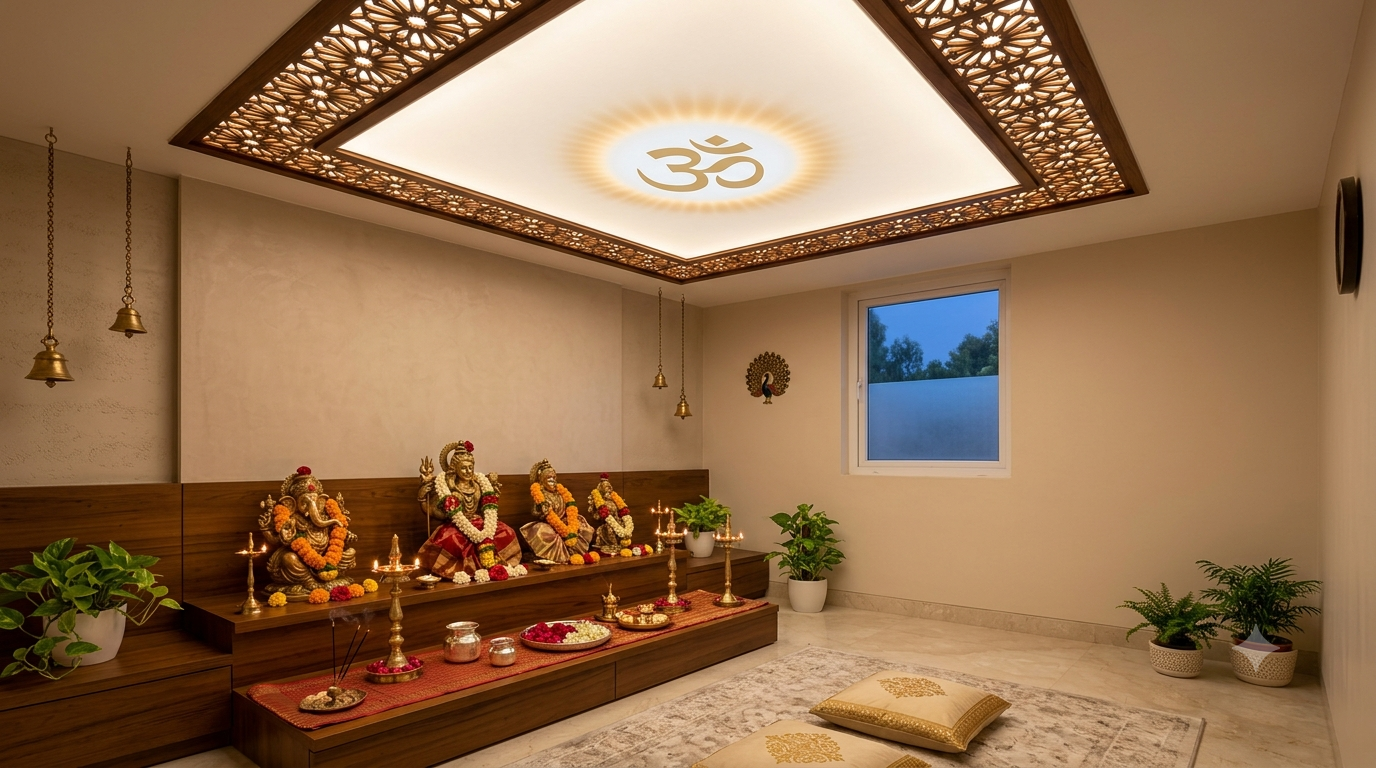
Homes: living rooms, bedrooms, kitchens, bathrooms, pooja rooms and kids' rooms
Offices and shops: reception areas, cabins, showrooms and boutiques
Healthcare: clinics and hospitals, where a seamless, easy-to-clean surface is useful
Hospitality and entertainment: hotels, restaurants, banquet halls and home theatres
For business use, read Stretch Ceiling for Commercial Spaces in India.
What Can You Do with a Stretch Ceiling?
Beyond just covering the ceiling, a stretch ceiling can:
Hide wiring, pipes and cracks or uneven areas on the slab
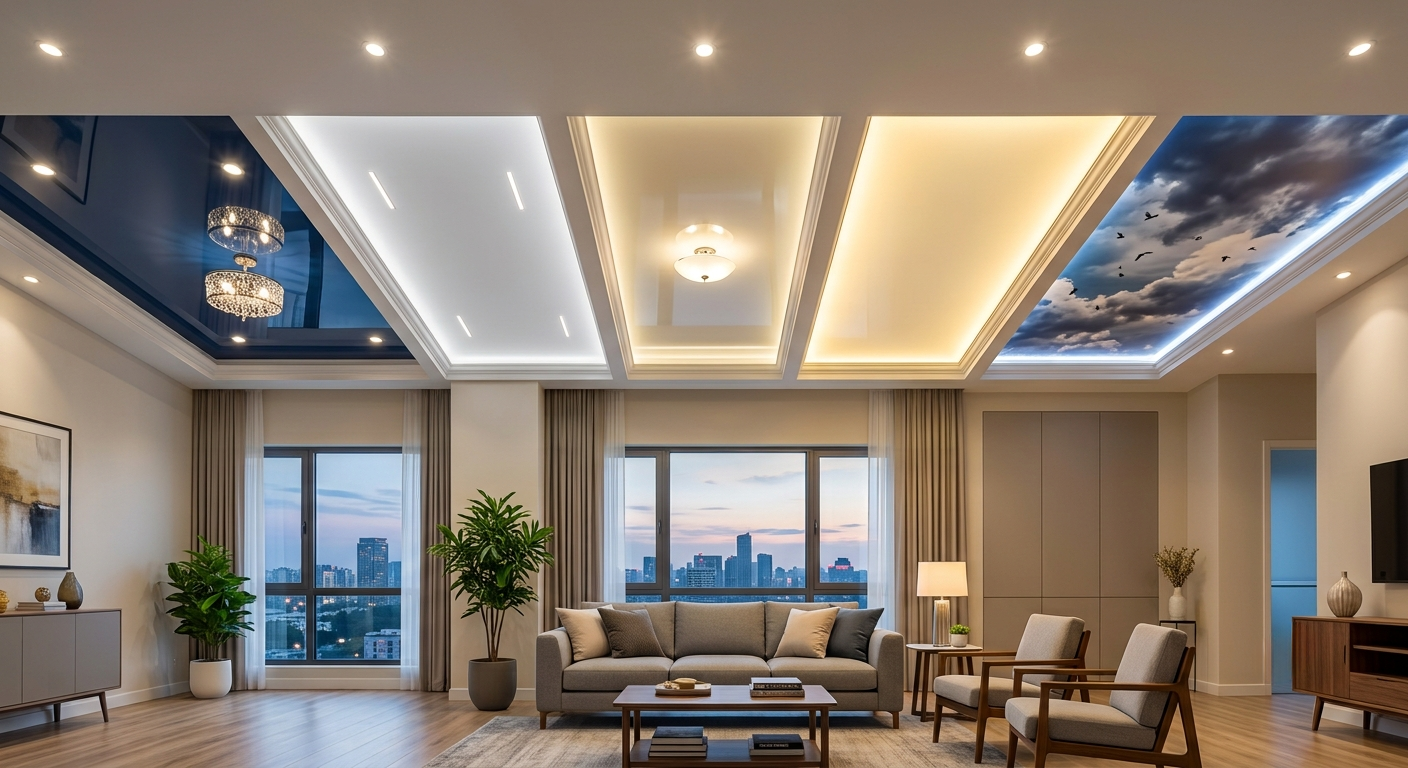
Give a plain, clean look, or a glossy, matt or satin finish
Work with spotlights, LED strips and backlit panels
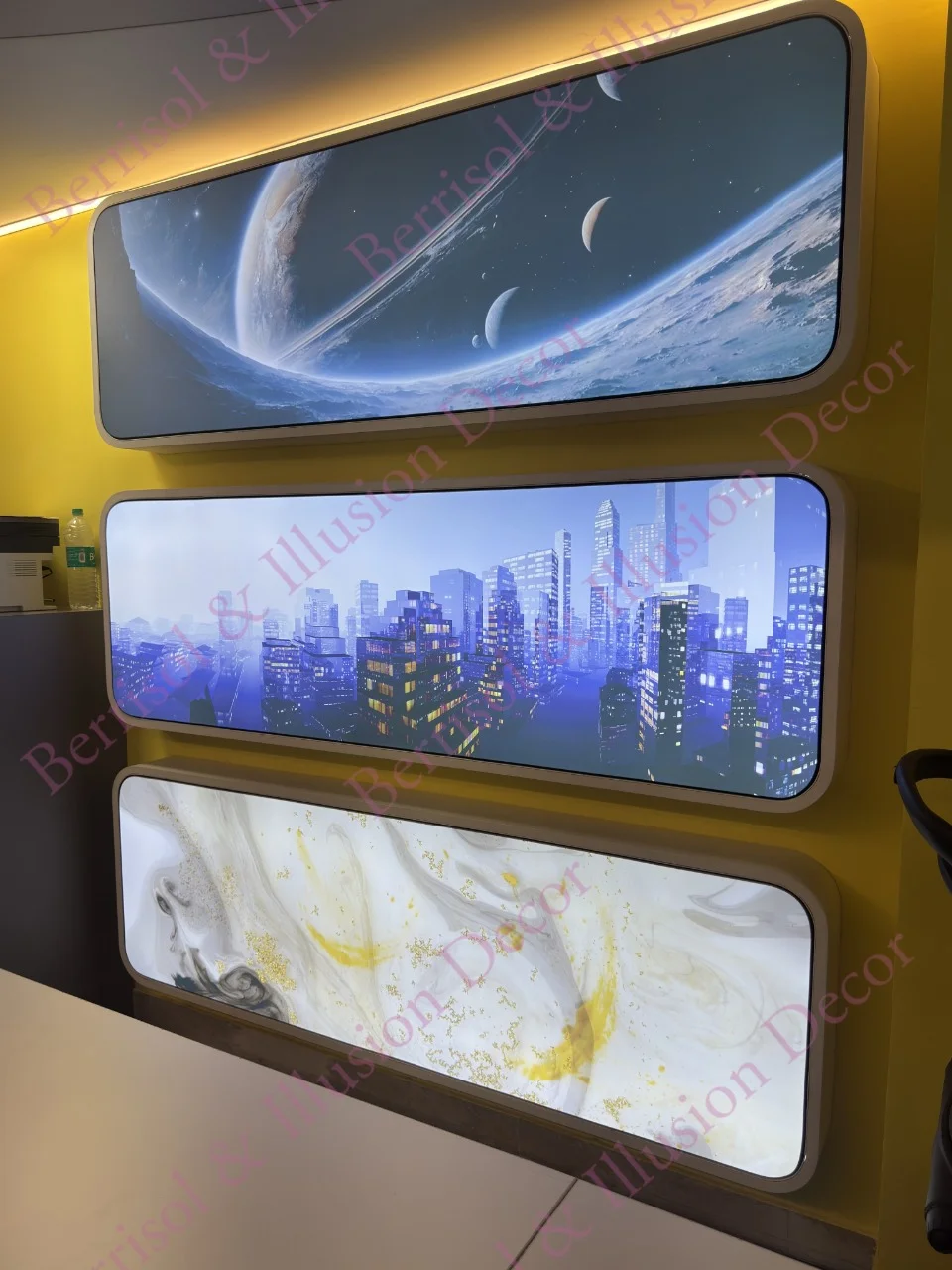
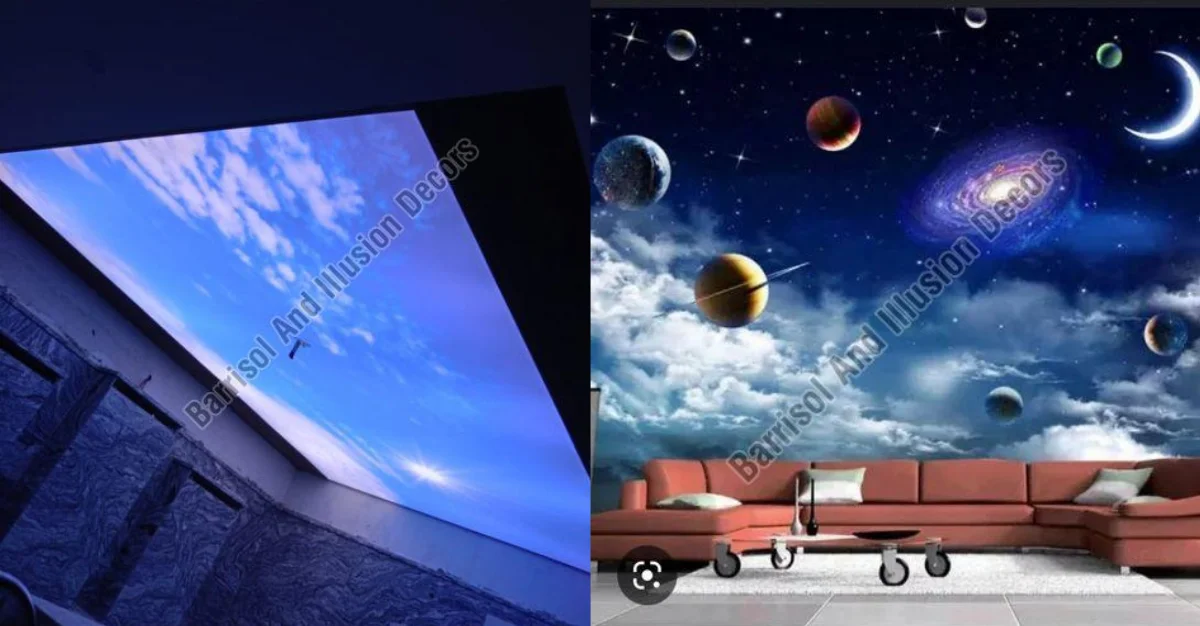
Be printed with images or shaped into 3D designs
Help reduce echo when an acoustic membrane is used
To explore these options in detail, see our guides on Types of Stretch Ceiling and Stretch Ceiling Design Ideas.
Stretch Ceiling vs Traditional False Ceiling: The Basic Difference
Point | Stretch Ceiling | POP / Gypsum False Ceiling |
Material | Thin membrane on a track | Boards or plaster on a frame |
Joints | Seamless | Joints that need finishing |
Installation | Usually quick and low-mess | Longer, with dust and finishing work |
Water exposure | Membrane does not absorb water | Can be damaged by seepage |
Finishing | No painting needed | Needs putty and paint |
For a deeper comparison, read Why Homeowners Prefer Stretch Ceilings Over False Ceilings.
Is a Stretch Ceiling Worth It in India?
For many Indian homes, yes, but it depends on your needs.
It is a good fit if you:
Want a modern, clean ceiling with quick installation
Live in a humid or monsoon-prone city and want a ceiling that does not absorb moisture
Want to hide cracks or seepage marks on the slab
Want flexible lighting or printed designs
Think twice if you:
Need to mount heavy fixtures directly on the ceiling, which requires extra support planning
Have a very tight budget and only need a basic painted ceiling
Plan frequent work above the ceiling, since access needs planning
For a balanced view, see our Pros and Cons of Stretch Ceilings and Cost Guide.
Common Myths About Stretch Ceilings
Myth 1: Stretch ceilings tear easily.
A properly installed ceiling is durable in normal use. Sharp objects and open flames should still be avoided.
Myth 2: You cannot install lights or a chandelier.
You can. Fixtures just need proper support and planning before installation.
Myth 3: They are only for offices and hotels.
They are now widely used in apartments and independent homes too.
Myth 4: They need a lot of maintenance.
Cleaning is usually simple, with a soft cloth. See our maintenance tips.
Why Choose Barrisol Ceiling?
At Barrisol Ceiling, we help homeowners, builders and interior designers across Delhi NCR, Uttar Pradesh, Haryana, Rajasthan and other Indian cities. We offer:
Site visit, measurement and design guidance
A wide range of finishes, prints and lighting options
Clean and neat installation
Solutions for homes, offices, hospitals, hotels and showrooms
Browse our Gallery for real project photos.
Conclusion
So, what is a stretch ceiling? It is a modern, membrane-based ceiling system that is quick to install, clean, flexible with lighting, and suited to many Indian homes and businesses. Understanding how it works helps you decide if it fits your space and budget.
Want to see if it suits your home? Contact Barrisol Ceiling for a site visit, samples and a free consultation.