A practical guide to PVC stretch ceiling systems, types, installation process, costs, and maintenance from a trusted PVC stretch ceiling manufacturer in India.
If you're evaluating ceiling options for a new build or a renovation, you've likely narrowed it down to two contenders: traditional gypsum/POP false ceilings and PVC stretch ceilings. This guide walks through everything you need to know about PVC stretch ceiling systems — how they work, where they fit, what they cost, and how to choose a reliable PVC stretch ceiling manufacturer in India so you can make an informed decision before your project begins.
A PVC stretch ceiling is a suspended ceiling made from a thin, flexible polyvinyl chloride membrane that is heated, stretched, and locked into an aluminium track (called a "harpoon" or "clip-in" profile) fixed around the perimeter of the room. Once installed, the membrane sits a few centimetres below the actual ceiling slab, hiding wiring, ducting, and uneven surfaces behind a perfectly smooth, seamless finish.
Unlike wet-construction methods, PVC stretch ceilings are almost entirely dry-fit. The membrane is custom-fabricated to the exact dimensions of the room at the factory and then installed on-site — which is why the process is faster, cleaner, and more predictable than plaster-based ceilings.
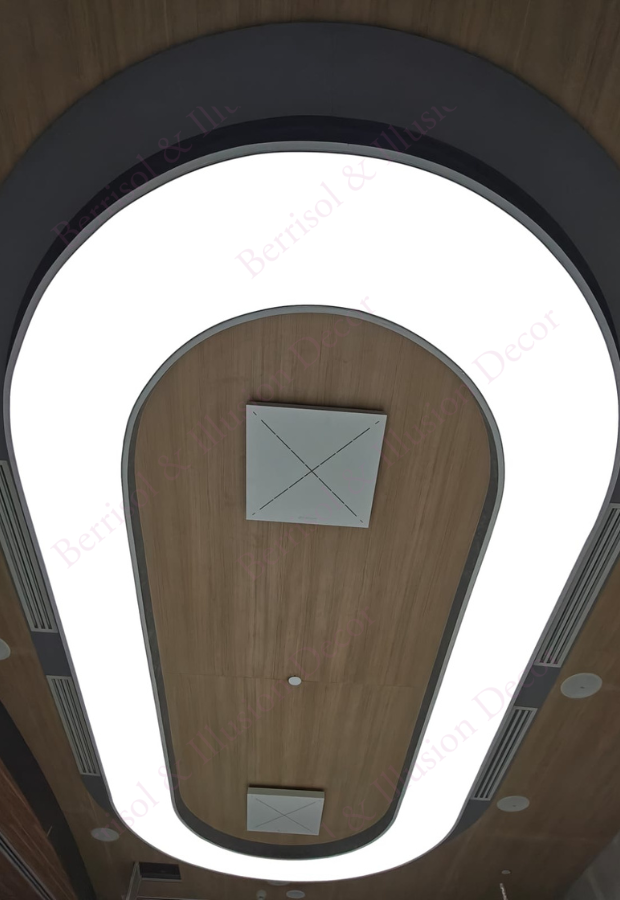
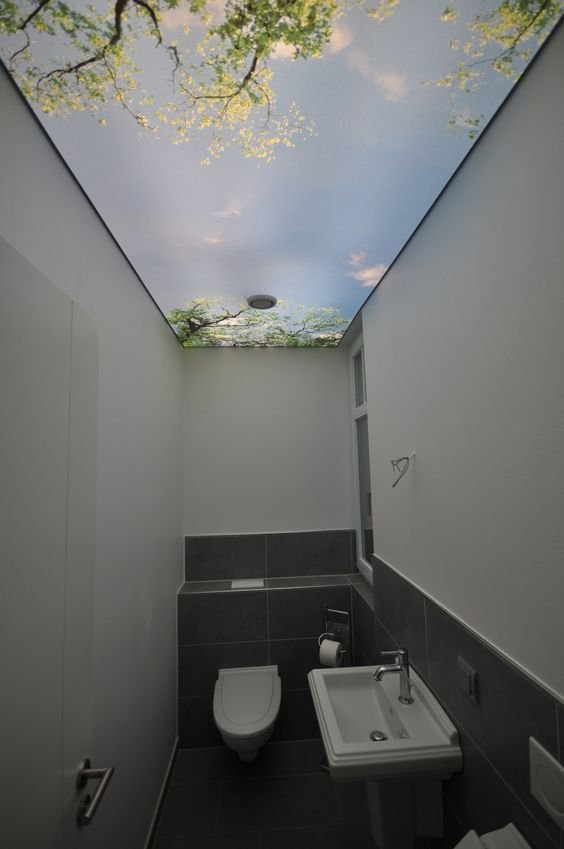
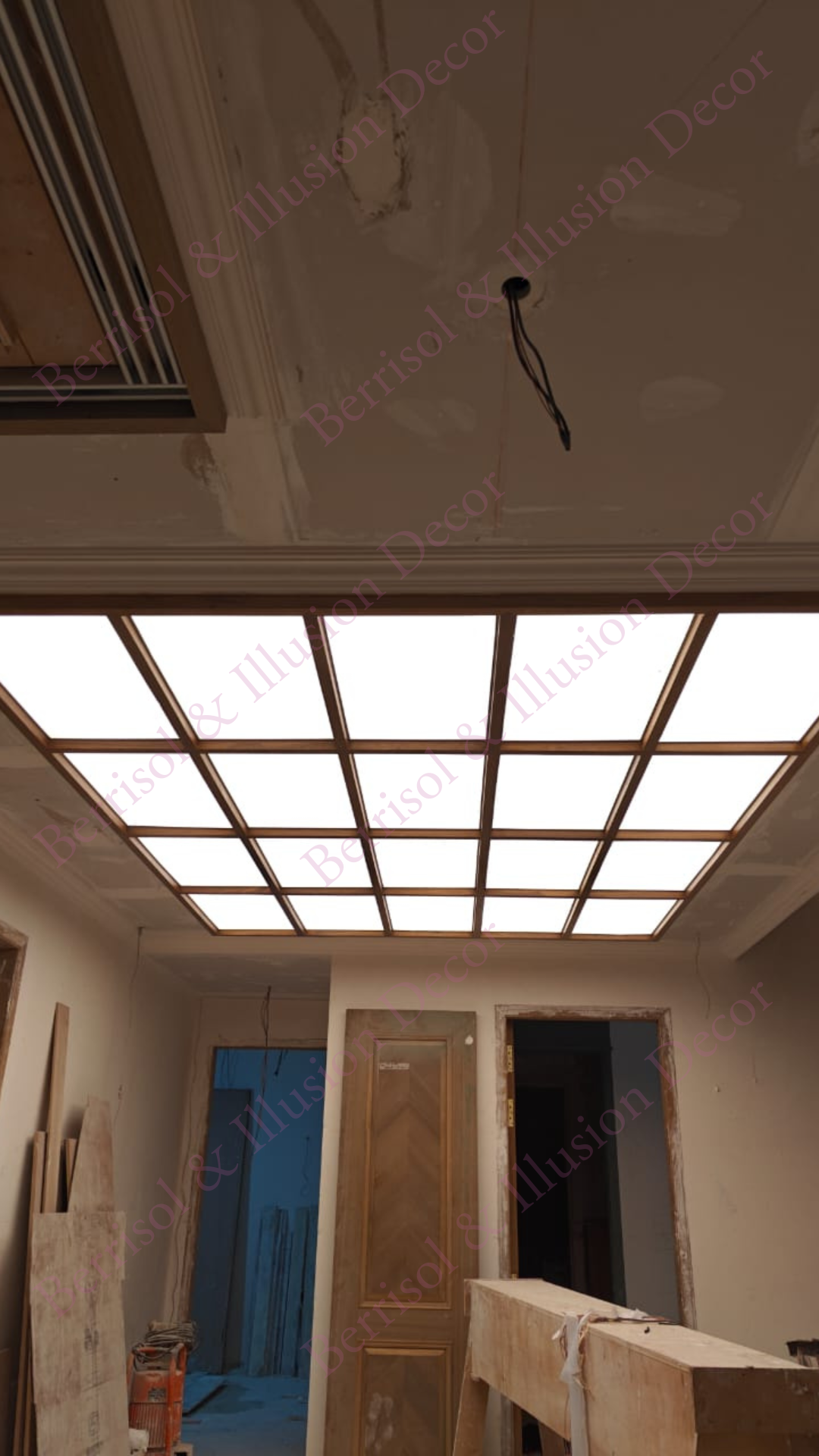
Not all PVC stretch ceilings look the same. Depending on the finish and function required, you can choose from translucent backlit membranes, high-gloss mirror finishes, subtle matte finishes, printed graphic ceilings, and micro-perforated acoustic ceilings.
Choosing the right type depends on the room's function — a boardroom benefits from an acoustic or matte finish, while a hotel lobby or showroom often calls for backlit or printed panels.
In residential projects, PVC stretch ceilings are commonly used to replace ageing gypsum ceilings, conceal water damage or wiring changes without a full civil rework, and add a design statement in living rooms, bedrooms, and bathrooms. Their moisture resistance makes them a strong fit for kitchens and washrooms where gypsum tends to develop damp patches over time.
In offices, hotels, hospitals, and retail environments, the priorities shift slightly — durability, hygiene, acoustic control, and minimal installation downtime matter more.
A typical residential room can be completed in a few hours, with no curing time and no dust — a major advantage over POP, which usually needs multiple days for plastering, drying, and finishing.
One of the biggest advantages of PVC stretch ceilings is how little upkeep they need. The surface can simply be wiped with a damp cloth, doesn't require repainting, and resists yellowing, cracking, and sagging when installed correctly. With quality material and proper installation, a PVC stretch ceiling typically lasts well over 10 years without needing replacement.