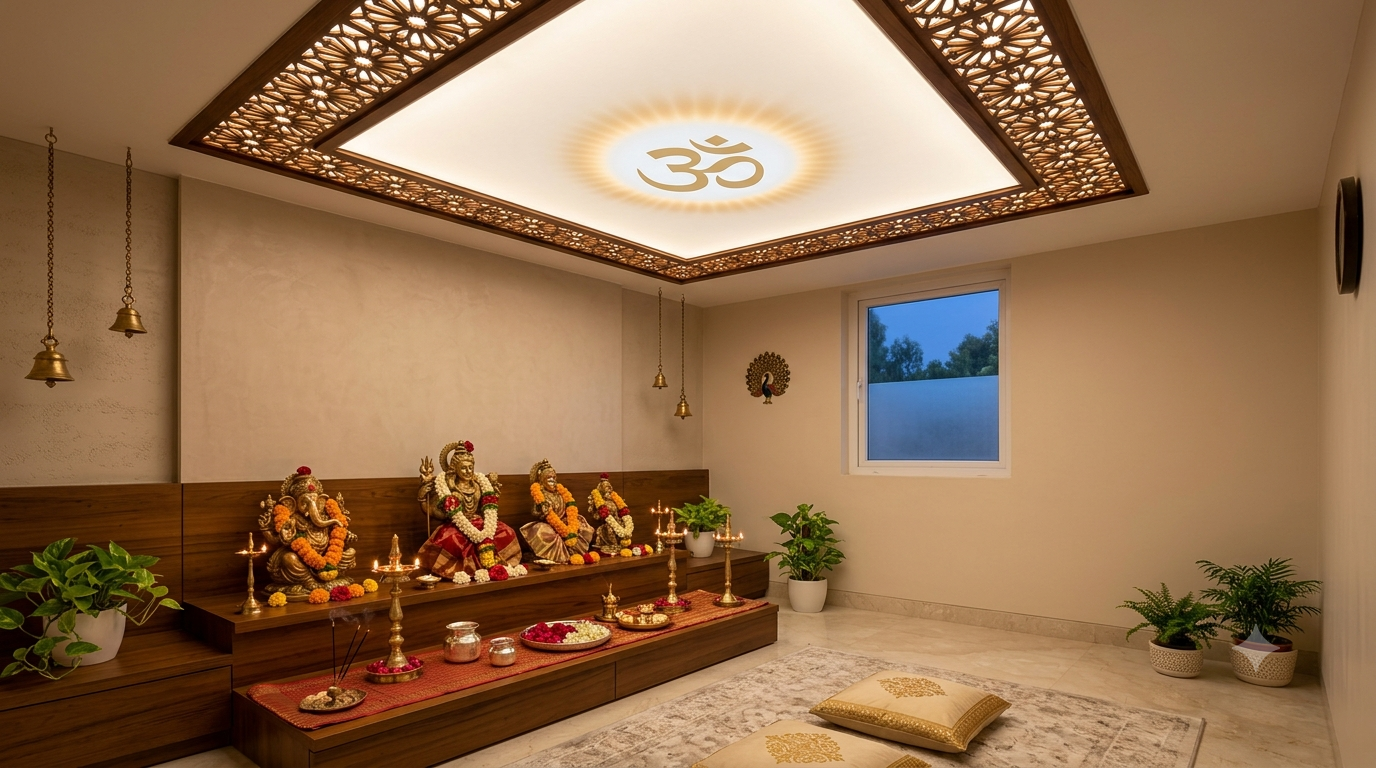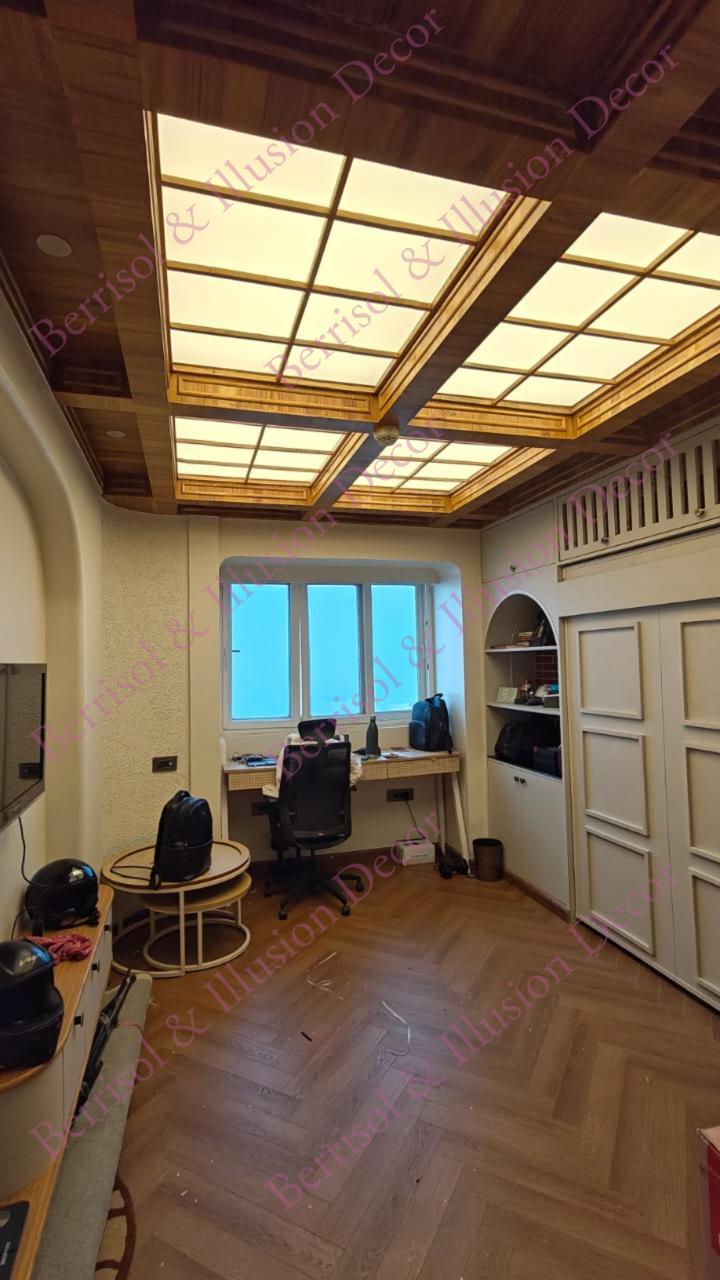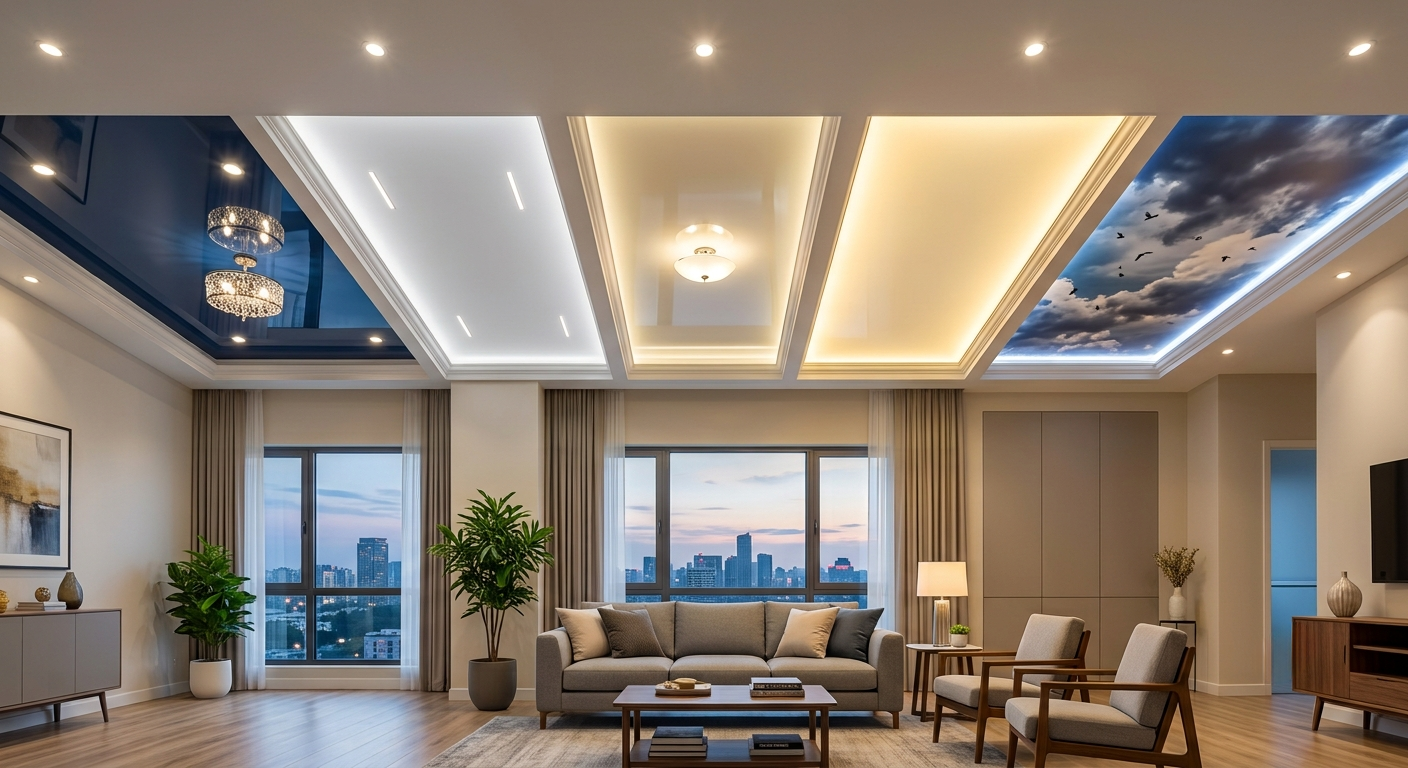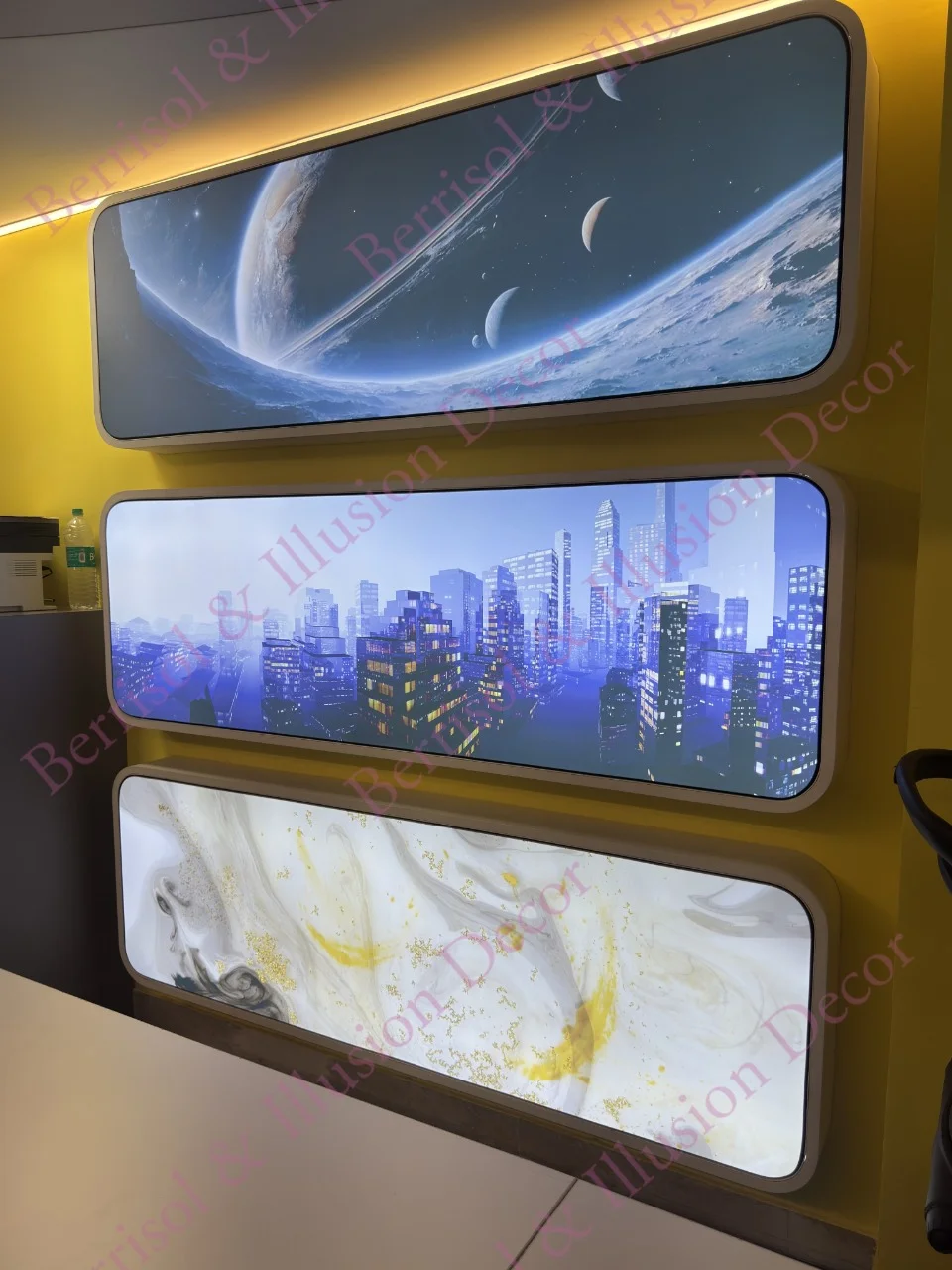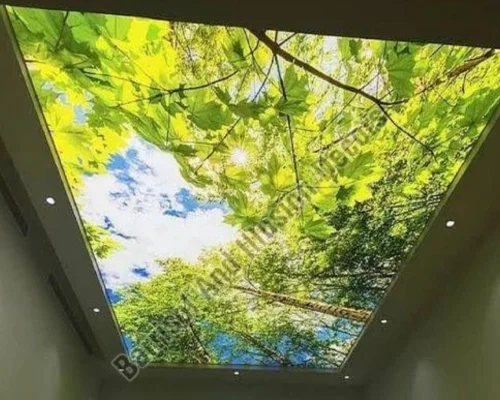
A stretch fabric ceiling can transform an ordinary ceiling into a modern architectural feature with integrated lighting, custom designs, acoustic solutions and a smooth, refined finish. Barrisol ceiling systems offer a range of finishes and applications, including matte, satin, gloss, metallic, translucent, printed and acoustic options.
Whether you are upgrading a home, office, hotel, retail space or other commercial interior, a well-designed stretch ceiling system can combine visual appeal with practical functionality. Depending on the selected system, stretch ceilings can accommodate integrated LED lighting, printed graphics, acoustic treatments and creative three-dimensional designs.
For inspiration, explore our stretch ceiling design ideas to see how different finishes and design approaches can be used in modern interiors.
What Is a Stretch Fabric Ceiling?
A stretch ceiling is a membrane-based ceiling system installed below or across an existing ceiling structure. The membrane is secured to specially designed perimeter profiles and tensioned to create a smooth, continuous surface.
The term stretch fabric ceiling is commonly used when referring to fabric-style or textile-based ceiling applications. However, not every stretch ceiling uses textile fabric. Barrisol systems include different membrane and technical solutions depending on the intended application.
This makes it important to choose the right ceiling system according to the room's design, lighting requirements, acoustic needs, environmental conditions and overall project specifications.
If you are comparing different materials before making a decision, our guide to PVC vs fabric stretch ceilings provides a useful starting point.
Why Choose a Barrisol Stretch Ceiling?
A Barrisol stretch ceiling can be designed around both aesthetic and functional requirements. Instead of treating the ceiling simply as a finished surface, it can become part of the overall interior architecture.
Smooth and Modern Appearance
One of the key attractions of a stretch ceiling is its clean, continuous appearance. The membrane can create a visually uncluttered surface without the conventional joints and finishing associated with many traditional ceiling systems.
Different finishes can produce very different effects:
Matte for a subtle, contemporary appearance
Satin for a softer reflective finish
High gloss for a more dramatic visual effect
Metallic for distinctive decorative interiors
Translucent for illuminated ceiling designs
Printed for customised graphics and artwork
The finish can therefore be selected according to the style and purpose of the room.
Integrated Lighting Options
Lighting is one of the most versatile applications of a stretch ceiling. A translucent membrane can be positioned in front of LED lighting to create a soft, evenly illuminated surface.
For more lighting inspiration, explore our dedicated stretch ceiling lights solutions.
Depending on the design, lighting can be used as a subtle background element or as the main architectural feature of the ceiling.
Flexible Design Possibilities
A stretch ceiling does not have to be a simple flat surface. Modern systems can be used to create curves, waves, geometric patterns, illuminated features and other customised forms.
For more sculptural interiors, a 3D stretch ceiling can introduce depth and dimension to the ceiling design.
Acoustic Applications
Ceilings can play an important role in the acoustic performance of an interior. Where sound absorption and reduced reverberation are priorities, a micro-perforated acoustic stretch ceiling can be considered.
Barrisol's acoustic ceiling solutions are designed for applications where ceiling design and acoustic performance need to work together.
These systems can be particularly relevant to:
Offices
Meeting rooms
Restaurants
Hotels
Classrooms
Home theatres
Retail spaces
Public interiors
The appropriate acoustic specification depends on the room, ceiling construction and overall acoustic requirements.
Moisture-Resistant Applications
Stretch ceiling systems can also be considered for environments where moisture is a concern. This can make them suitable for selected applications in kitchens, bathrooms and other areas where conventional ceiling finishes may require additional consideration.
The exact system should always be selected according to the environment and project requirements.
Customised Ceiling Designs
A stretch ceiling can also be used as a design canvas. Printed membranes allow images, graphics, patterns and decorative artwork to become part of the ceiling.
Explore our printed stretch ceiling solutions for customised interior concepts.
Popular Stretch Fabric Ceiling Design Ideas
The right stretch ceiling design depends on the room's purpose, architecture, lighting plan and desired atmosphere. Several design approaches are particularly effective for contemporary interiors.
1. Translucent Stretch Membrane With LED Backlighting
A translucent stretch ceiling can be combined with LED lighting positioned behind the membrane to produce a smooth, diffused glow.
Rather than seeing individual light sources, the ceiling becomes a continuous illuminated surface.
This approach can work well in:
Living rooms
Bedrooms
Hotel lobbies
Reception areas
Restaurants
Retail environments
Offices
You can explore our translucent stretch ceiling solution for more information.
2. Printed Stretch Ceiling
A printed ceiling can turn an otherwise plain surface into an architectural focal point.
Design possibilities include:
Custom artwork
Nature-inspired imagery
Decorative patterns
Brand graphics
Abstract designs
Photographic images
Themed interiors
Printed membranes can be particularly effective when the ceiling needs to contribute directly to the visual identity of a space.
3. Starry Sky and Fibre-Optic Effects
A starry-night ceiling can create a distinctive atmosphere in bedrooms, home theatres, hospitality environments and entertainment spaces.
Small points of light can be arranged across the ceiling to create a star or galaxy-inspired appearance. The final effect can be customised according to the room and lighting concept.
4. Micro-Perforated Acoustic Ceiling
When aesthetics and acoustics need to be considered together, a micro-perforated stretch ceiling can provide a practical design option.
The perforated membrane can work with an acoustic backing or insulation system to help manage sound within the room.
This is particularly useful in spaces where excessive reverberation can affect conversations, meetings, dining or entertainment.
5. 3D Stretch Ceiling
A 3D stretch ceiling introduces curves, waves, geometric shapes or other dimensional forms into the ceiling architecture.
It can be used to create a stronger visual identity in:
Luxury interiors
Hotel lobbies
Restaurants
Showrooms
Reception areas
Entertainment spaces
Contemporary homes
When combined with LED lighting, three-dimensional forms can create additional depth and visual contrast.
Stretch Fabric Ceiling Lighting Ideas
A carefully planned lighting system can make a significant difference to the appearance of a stretch ceiling.
Backlit Stretch Ceiling
A translucent membrane can be installed in front of LED lighting to create a broad, diffused light source.
This can produce a cleaner appearance than multiple exposed fixtures and allows the ceiling itself to become part of the lighting concept.
Linear LED Lighting
Linear LEDs can be integrated into the ceiling to create:
Straight lines
Geometric patterns
Borders
Light channels
Decorative shapes
This approach works particularly well with modern commercial and residential interiors.
Decorative Illuminated Features
Lighting can also be used to highlight curves, 3D forms or specific areas of a ceiling.
The result can be a ceiling that functions as both an architectural element and a lighting feature.
Printed and Illuminated Ceilings
A printed translucent membrane can combine customised graphics with backlighting.
This allows the image and lighting system to work together, creating a more immersive ceiling design.
Acoustic Lighting
For spaces requiring both sound management and illumination, an acoustic ceiling with integrated lighting can combine these functions within a coordinated ceiling design.
Where Can Stretch Ceiling Systems Be Used?
A stretch ceiling system can be adapted to a wide variety of residential and commercial interiors.
Residential Stretch Ceilings
In homes, stretch ceilings can be used in:
Living rooms
Bedrooms
Dining areas
Kitchens
Bathrooms
Home theatres
Feature rooms
Homeowners can choose between subtle finishes and more distinctive options such as backlighting, printed designs or 3D forms.
For residential inspiration, explore our guide to residential stretch ceilings.
Commercial Stretch Ceilings
Commercial environments often require a balance between design, durability, lighting and practical performance.
Potential applications include:
Offices
Hotels
Restaurants
Retail stores
Showrooms
Reception areas
Corporate spaces
Entertainment venues
Read more about stretch ceilings for commercial spaces.
Public and Specialist Interiors
Stretch ceiling systems can also be considered for spaces where design, lighting and acoustic requirements need to work together.
These may include:
Schools
Galleries
Museums
Lecture spaces
Healthcare environments
Public buildings
Hospitality interiors
The correct system should always be selected according to the technical and regulatory requirements of the specific project.
Stretch Ceiling vs Traditional False Ceiling
A stretch ceiling provides a different approach to ceiling construction compared with conventional plasterboard or other traditional false-ceiling systems.
Traditional ceilings generally require finishing processes such as joint treatment, plastering and painting. A stretch ceiling uses a tensioned membrane fixed to perimeter profiles to create the finished surface.
One advantage of a stretch system is its ability to incorporate different design functions into the same ceiling concept, including lighting, printing, translucent effects and acoustic solutions.
However, the most suitable ceiling depends on the individual project. Existing ceiling conditions, available ceiling height, lighting requirements, access, acoustic needs, budget and building requirements should all be considered.
For a broader comparison of benefits and limitations, see our guide to stretch ceiling advantages and disadvantages.
How Is a Barrisol Stretch Ceiling Installed?
A stretch ceiling is installed using perimeter profiles fixed around the area being covered. The membrane is then prepared to the required dimensions and secured into the profiles under controlled tension.
Professional installation is important because accurate measurement, profile positioning, membrane handling and lighting coordination all contribute to the final result.
For projects that require lighting, acoustic treatment or complex shapes, the ceiling design should be coordinated with other building services before installation begins.
Learn more about Barrisol stretch ceiling installation.
How to Choose the Right Stretch Fabric Ceiling
Before choosing a stretch fabric ceiling, consider the following factors.
1. Room Function
The requirements of a bedroom will differ from those of a restaurant, office, bathroom or home theatre.
2. Finish
Choose between matte, satin, gloss, metallic, translucent, printed or acoustic options based on the desired appearance and application.
3. Lighting
Decide whether the project requires downlights, linear LEDs, backlighting, decorative illumination or a combination of lighting techniques.
4. Acoustic Performance
If sound control is important, consider an acoustic stretch ceiling rather than selecting a membrane purely for appearance.
5. Ceiling Shape
Flat ceilings are only one option. Curves, waves and three-dimensional forms can create a more distinctive architectural result.
6. Maintenance
Consider the finish, cleaning requirements and accessibility of the ceiling before selecting the final system.
For practical maintenance guidance, see our article on stretch ceiling maintenance and cleaning.
7. Installation
A professional installer should assess the existing ceiling, take accurate measurements and coordinate the membrane with lighting and other services.
Are Stretch Ceilings Suitable for Modern Homes?
Yes. Stretch ceilings can be used in modern homes where homeowners want a clean ceiling finish with additional design flexibility.
A simple matte membrane can create a subtle contemporary appearance, while a translucent membrane with LED backlighting can turn the ceiling into a major design feature.
For more creative interiors, printed designs and 3D forms can provide a customised look.
The best solution depends on the architecture of the room, ceiling height, lighting requirements and preferred style.
Why Choose Barrisol Ceiling Systems?
Barrisol ceiling systems provide options for different interior requirements, from standard decorative finishes to specialised lighting, acoustic, translucent, printed and 3D applications.
This allows designers, architects, homeowners and commercial property owners to develop a ceiling around the requirements of the space rather than being limited to one standard appearance.
If you are planning a project and want to explore available solutions, visit the Barrisol Ceiling services section or contact Barrisol Ceiling to discuss your requirements.
Final Thoughts
A stretch fabric ceiling can do much more than provide a finished surface above a room. With the right system, the ceiling can become part of the interior architecture, combining design, lighting, acoustics and customised visual elements.
From a softly illuminated translucent stretch ceiling to a printed design, acoustic membrane or sculptural 3D stretch ceiling, there are options for a wide range of residential and commercial applications.
The key is to select the right membrane, finish, lighting and technical specification for the space. Professional planning and installation can then ensure that the ceiling performs as intended while complementing the overall interior design.
Explore the Barrisol Ceiling service range to find a stretch ceiling solution suited to your project.